10 Benefits of Veneers for a Natural-Looking Smile
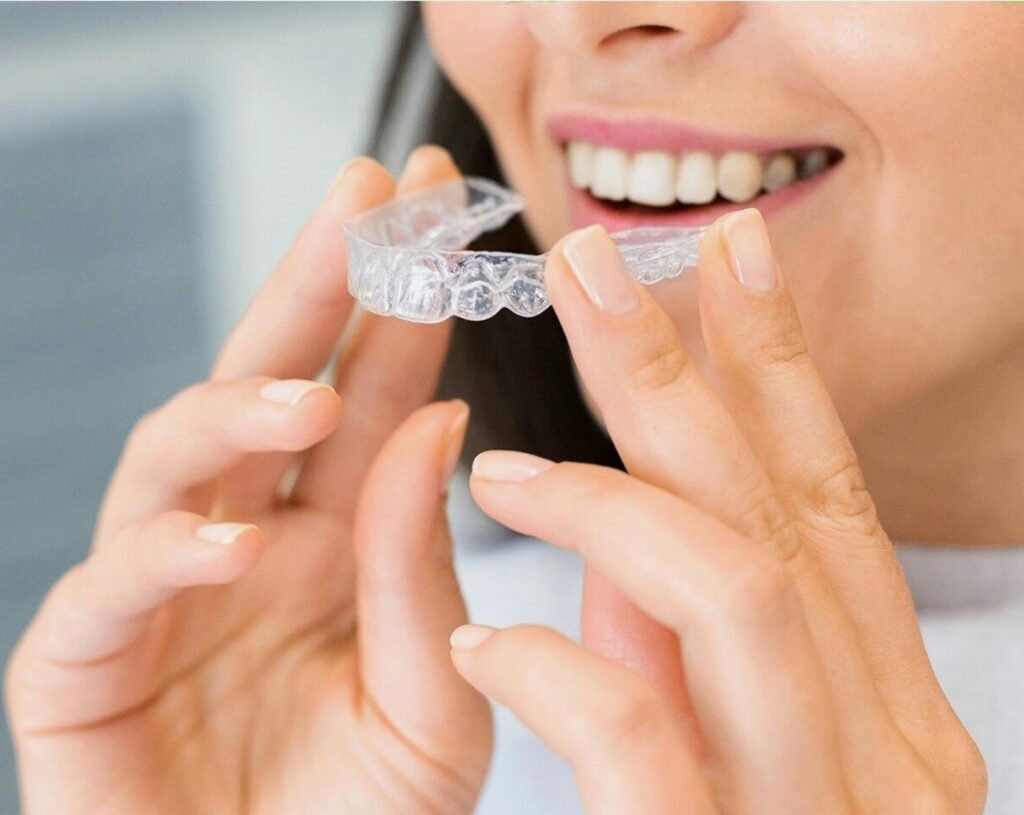
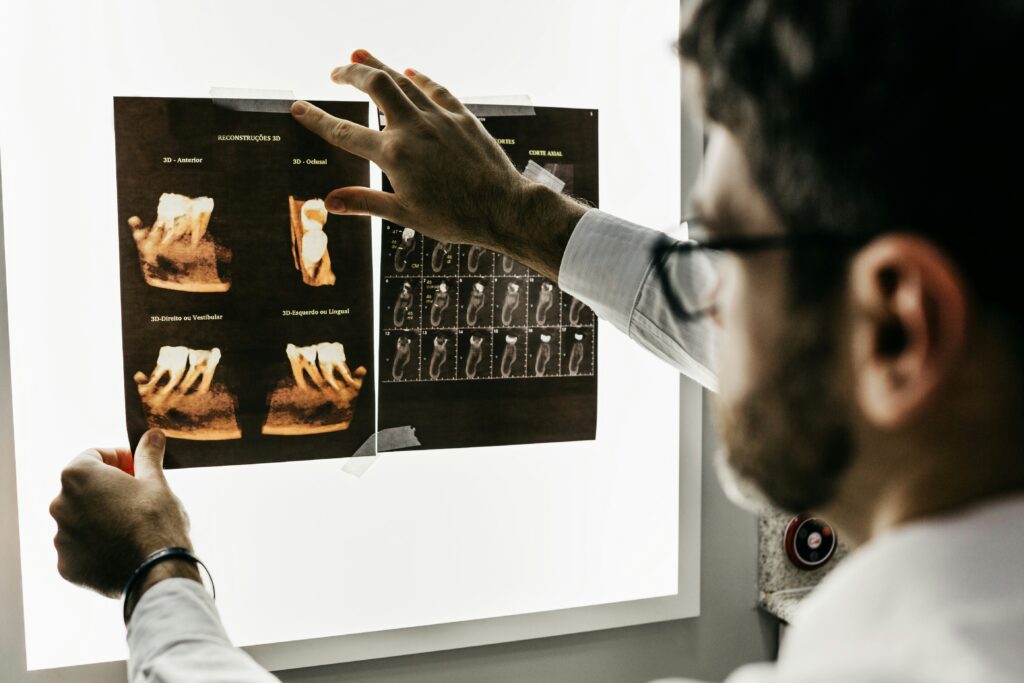
A well-made smile rarely announces the dentistry behind it. That is the real appeal of veneers. When people picture cosmetic dental work, they often worry about teeth that look too white, too flat, or too perfect to be believable. Good veneers do the opposite. They refine what is already there, soften distractions, and preserve the small details that make a smile look human.
In practice, veneers are thin shells, usually made from porcelain or a high-quality composite material, that bond to the front surface of teeth. They are commonly used on the teeth most visible when you smile. The goal is not to create a generic result. The goal is to improve color, shape, size, and symmetry in a way that still suits the face, lips, age, and personality of the patient.
People often come in asking for straighter, brighter teeth. What they are usually asking for, though, is confidence without obvious dental work. That is where veneers can shine. They are not the right answer for every mouth, and they are not magic. They require planning, judgment, and maintenance. But in the right case, they offer a combination of cosmetic improvement and natural appearance that few other treatments can match.
The first benefit is the most important, veneers can look convincingly natural
The best veneers mimic the same visual complexity seen in healthy enamel. Natural teeth are not one solid color. They have depth, slight translucency near the edges, subtle texture, and a way of reflecting light that changes from different angles. Porcelain veneers, in particular, can reproduce those traits remarkably well.
This is one reason experienced cosmetic dentists spend so much time on shade selection and design. A bright white smile may look attractive in a photograph, but if the color clashes with a person’s complexion or age, it can look artificial in real life. A natural-looking smile usually lands in a more believable range. It may be brighter than the original teeth, but it still carries some warmth and variation.
I have seen the difference careful design makes. A patient with one dark front tooth after old trauma once came in convinced she needed a dramatic smile makeover. What she actually needed was restraint. Matching the neighboring teeth, preserving the slight translucency at the edge, and avoiding a blocky shape made the final result disappear into her smile. That is often the highest compliment in cosmetic dentistry, nobody notices the dentistry, only that you look better.
Veneers can correct several cosmetic issues at once
One of the strongest advantages of veneers is efficiency. Whitening treats color. Orthodontics treats alignment. Bonding can repair chips. Enamel contouring can soften shape. Veneers can address several of these concerns in one coordinated treatment plan when the case is suitable.
A person might have mild crowding, worn edges, uneven lengths, and deep staining that does not respond well to bleaching. Tackling each issue separately may still be appropriate in some situations, but veneers can sometimes bring those improvements together in a simpler path. That does not mean shortcuts should replace sound treatment planning. It means veneers can be versatile.
This matters because smiles are judged as a whole. A single chipped tooth may stand out because of color, shape, and position all at once. Correcting only one variable can leave the smile looking improved but not balanced. Veneers allow the dentist and ceramist to think in terms of the entire frame of the smile rather than one isolated flaw at a time.
They are especially effective for stains that resist whitening
Not all discoloration responds equally to whitening products. Surface stains from coffee, tea, red wine, or tobacco often https://anotepad.com/notes/x5c6msei improve with cleaning and bleaching. Internal discoloration can be more stubborn. Teeth darkened by trauma, some medications, older dental materials, or developmental changes may never whiten evenly.
Veneers can mask those problem areas more predictably. That does not mean every dark tooth can be covered with a paper-thin shell and look perfect. The underlying color still influences planning. Sometimes a more opaque porcelain is needed. Sometimes internal bleaching, whitening of surrounding teeth, or another restorative option should be considered first. But for many patients with persistent discoloration, veneers deliver a level of consistency that bleaching alone cannot.
This is particularly useful when only a few front teeth are involved. A patient with fluorosis spots or a single discolored central incisor may feel self-conscious every time they speak. Veneers can normalize the appearance without making the whole smile look overdone.
Veneers can improve tooth shape and proportion
Teeth that are healthy can still look awkward if their shape is off. Some people naturally have small lateral incisors, often called peg laterals. Others have worn or flattened front teeth that make the smile look older. Some have front teeth that are too short compared with the lip line, or shapes that feel too square, too narrow, or uneven from side to side.
Veneers allow fine control over these details. Length can be added carefully. Corners can be softened or strengthened. A narrow tooth can be widened just enough to bring harmony to the smile. Small gaps can be closed without the “stuffed” look that happens when width is added without considering the overall proportions.
Good design requires discipline. Teeth should relate properly to each other and to the face. If veneers are made too long, they can create speech issues or a bulky appearance. If they are too wide, the smile starts to look unnatural fast. The benefit here is not simply that veneers can change shape. It is that they can refine shape with precision when done thoughtfully.
They can create the appearance of straighter teeth in the right cases
Not every misalignment requires orthodontics, but not every crooked tooth should be treated with veneers either. The sweet spot is mild to moderate cosmetic irregularity, especially when a patient also wants changes in color or shape.
For example, a slight inward rotation, minor spacing, or uneven incisal edges can often be masked effectively with veneers. This is sometimes called “instant orthodontics,” though that phrase can oversell what is happening. Veneers do not move teeth through bone. They change what the eye sees. In selected cases, that visual correction is enough to make the smile appear significantly straighter.
The trade-off is important. If teeth are severely crowded, protruded, or positioned in a way that compromises bite or gum health, orthodontic treatment is often the better foundation. In many high-quality smile makeovers, orthodontics and veneers are not rivals. They are partners. A few months of alignment can reduce the amount of tooth reshaping needed and produce a more conservative veneer case.
Veneers can preserve a youthful look without making the smile look fake
Aging changes teeth in predictable ways. Enamel wears down. Edges flatten. Tiny chips appear. Teeth often darken and lose some of their luster. Even when the rest of the face is well cared for, worn front teeth can add years to a person’s appearance.
Veneers can restore some of that lost youth by rebuilding length, brightness, and surface vitality. The key is subtlety. Younger teeth usually have slight irregularities, soft translucency, and rounded contours, not a row of identical white rectangles. A dentist who understands facial aging will often aim for freshness rather than perfection.
This is one of the reasons mature patients often do very well with veneers when expectations are realistic. They are not trying to look twenty. They want to look rested, healthy, and polished. A carefully designed smile can support that goal beautifully.
Porcelain veneers tend to resist staining well
Anyone considering cosmetic dentistry asks some version of the same question: will they stay that way? With porcelain veneers, color stability is one of the biggest advantages. Porcelain does not stain as readily as natural enamel or composite bonding, particularly when the glaze and polish are maintained.
That does not make veneers immune to discoloration. The cement underneath, the margins near the gums, and neighboring natural teeth can all affect how the smile looks over time. Heavy smoking, poor oral hygiene, or certain foods and beverages can still create maintenance issues. But compared with many other cosmetic options, porcelain holds its appearance very well.
This becomes especially valuable for patients who have spent years whitening their teeth only to see the effects fade. A stable shade can reduce the cycle of repeated bleaching and the frustration that comes with chasing the same result again and again.
Veneers can be conservative compared with crowns
There is a common misconception that veneers and crowns are basically the same thing. They are not. A crown covers the entire tooth. A veneer covers only the front surface and wraps only as much as needed for strength and esthetics. In many cases, that means less removal of healthy tooth structure than a full crown would require.
This distinction matters because preserving enamel helps with bonding strength and long-term tooth integrity. Bonding to enamel is generally more predictable than bonding to deeper tooth layers. The more natural tooth that can be safely retained, the better.
Of course, “conservative” is relative. Veneers still involve permanent alteration in most cases. Some ultra-minimal or no-prep veneers exist, but they are suitable only for very specific tooth shapes and positions. Pushing that concept into the wrong case often leads to bulky results. The real benefit is not that veneers require no preparation. It is that they can offer meaningful cosmetic change without the more extensive coverage of a crown when the tooth itself is otherwise healthy.
They can strengthen confidence in everyday moments
The emotional effect of improving a smile is easy to underestimate if you have never watched someone hide theirs. People learn small habits over time. They smile with closed lips. They cover their mouth when laughing. They angle their face away in photos. They speak carefully because they think others are looking at one dark tooth, one chip, one gap.
When veneers are done well, the shift in confidence can be immediate and practical. Patients often mention very ordinary moments, video calls, family photos, work presentations, dates, weddings. The value is not abstract. It shows up in behavior.
That confidence should never be sold as a cure for deeper self-esteem issues, and responsible clinicians know that. Cosmetic dentistry can improve appearance. It cannot solve every insecurity. Still, when a long-standing dental concern has a clear visible fix, the relief can be substantial. Feeling comfortable smiling without strategy is a meaningful quality-of-life improvement.
Veneers are customizable in a way that many people do not expect
No two good veneer cases should look identical. Customization goes far beyond choosing “white” or “not white.” It involves the hue, brightness, translucency, surface texture, edge shape, width-to-length ratio, and how the teeth relate to the lower lip during smiling and speech.
This is where collaboration matters. Some patients want a polished, camera-ready smile with a brighter value and cleaner symmetry. Others want almost imperceptible improvement, something that looks like they simply had naturally beautiful teeth all along. Both goals can be valid, but they require different design choices.
A strong veneer plan usually considers several practical factors:
- Facial shape, lip support, and smile line
- Bite forces and habits such as clenching or grinding
- Age, skin tone, and the desired shade range
- The condition of the gums and the underlying teeth
- The patient’s tolerance for maintenance and replacement over time
That kind of customization is one reason the same material can produce either an elegant result or an obvious one. Veneers are not inherently natural-looking or unnatural-looking. Design decides that.
They often provide durable, long-term cosmetic value
Patients understandably want to know how long veneers last. There is no single number that fits everyone. Longevity depends on the material, the quality of the bonding, bite forces, oral hygiene, whether the patient grinds their teeth, and how well the case was designed in the first place. Many well-made porcelain veneers last well beyond a decade, while others need earlier repair or replacement. Composite veneers usually have a shorter lifespan but lower upfront cost and easier repair.
The benefit is not immortality. The benefit is durable esthetic improvement when the case is chosen carefully and maintained properly. Compared with treatments that require frequent touch-ups, veneers can offer stable day-to-day satisfaction.
That said, durability has conditions. Someone who clenches heavily and refuses a night guard is taking a different risk profile than someone with a stable bite who protects their teeth. A patient with untreated gum disease is not starting from the same place as someone with excellent oral health. Long-term success is rarely about the veneer alone. It is about the whole environment around it.
The natural result depends on planning, not just the material
People sometimes fixate on porcelain versus composite as though the material alone determines beauty. In reality, planning is often the bigger variable. Diagnostic photos, bite analysis, wax-ups or digital previews, mock-ups, and communication with the lab all shape the final outcome.
A natural-looking smile should fit the person when they talk, not just when they hold still. Speech sounds matter. So does how much tooth shows at rest. Some patients smile broadly and show a lot of gum, which affects where margins and shapes need to land. Others have heavy bite forces that demand a more cautious design. These are the details that separate a pleasant result from a great one.
This is also why “celebrity teeth” copied from a photo can disappoint. The smile that suits one face may look oddly scaled or too bright on another. Veneers work best when they are built for the individual, not for a trend.
Who tends to be a good candidate
The ideal candidate for veneers is not simply someone who wants prettier teeth. Good candidates generally have healthy gums, manageable bite forces, and cosmetic concerns that veneers are well suited to fix. They also understand that veneers are an investment and a commitment. Once teeth are prepared, future maintenance becomes part of the picture.
Certain issues call for caution. Active decay, unstable gum disease, untreated grinding, and severe crowding should be addressed first. If a patient wants a whiter smile but has otherwise attractive teeth, whitening may be all that is needed. If the main issue is major misalignment, orthodontics may offer a healthier, more conservative path.
A careful consultation should make those distinctions clear. The best cosmetic treatment is not always the most dramatic one. It is the one that solves the right problem with the least biological cost.
What helps veneers stay beautiful
Veneers do not require exotic care, but they do reward consistent habits. Most patients do well when they treat veneers much like natural teeth, with a bit more respect for the fact that porcelain, while strong, can still chip under the wrong forces.
A few habits matter most:
- Brush and floss carefully, especially around the gumline
- Wear a night guard if you grind or clench
- Avoid using teeth to open packages or bite hard objects
- Keep regular dental visits so small issues are caught early
- Remember that surrounding natural teeth may still need whitening or maintenance
The point is not to live cautiously. It is to protect an investment that was designed to be seen every day.
Why so many people choose veneers for a natural-looking smile
When people talk about wanting a better smile, they are usually describing a feeling as much as a set of teeth. They want brightness without harshness, symmetry without stiffness, and confidence without looking “done.” Veneers meet that request well because they occupy a useful middle ground. They are more transformative than whitening or minor bonding, yet they can still look understated and believable.
Their ten biggest benefits are easy to see in practice. Veneers can look natural, address multiple cosmetic concerns at once, cover stubborn stains, improve shape and proportion, create the appearance of straighter teeth, restore youthful details, resist staining, preserve more tooth than crowns in many cases, build confidence, and offer highly customized long-term esthetic value.
That combination explains their staying power. Veneers are not a trend that survives on marketing alone. They remain popular because, in skilled hands and in the right patient, they solve real smile problems with elegance. The result people remember is rarely the porcelain itself. It is the moment a smile starts to look effortless again.
Oaks Dental
Address: 5000 Parkway Calabasas Ste 308, Calabasas, CA 91302
Phone number: +18184312000
FAQ About Veneers
How much do veneers actually cost?
The cost of dental veneers typically ranges from $250 to $2,500 per tooth, with a full smile transformation averaging anywhere from $6,000 to $20,000 depending on the material you choose. Because veneers are classified as a elective cosmetic procedure, dental insurance almost never covers them.
What is the downside of having veneers?
The main downside of dental veneers is that the process is permanent and irreversible, as a dentist must shave off a thin layer of natural tooth enamel. Other major drawbacks include increased tooth sensitivity, high financial costs, and the need to replace them every 10 to 15 years.
What happens to the teeth under veneers?
When you get veneers, a dentist shaves off a thin layer of your natural tooth enamel (about 0.3 to 0.7 millimeters). The living tooth stays intact underneath, but losing this outer layer is permanent. The tooth relies on the veneer shell for lifelong protection and cannot be left bare.