Dental Crowns Oxnard CA for Restoring Smiles With Precision

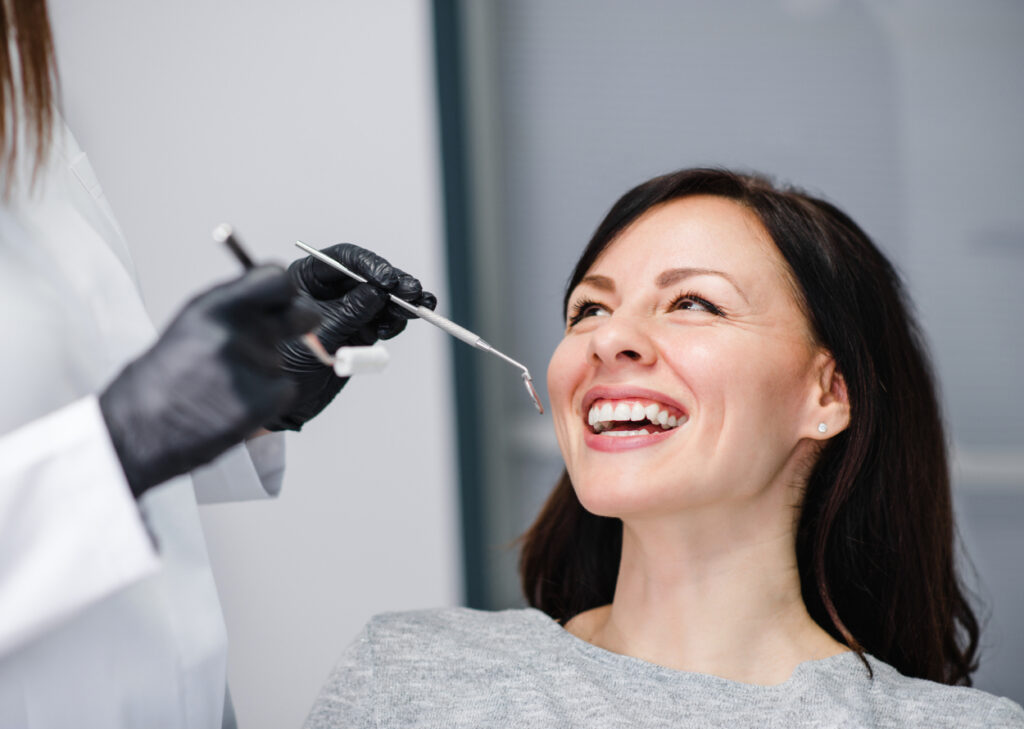

A well-made dental crown does more than cover a damaged tooth. It restores strength, protects what remains, and helps a patient chew, speak, and smile without second-guessing every bite. In a place like Oxnard, where patients range from busy working adults to retirees and growing families, the reasons for needing crowns are varied, but the goal is usually the same: keep the tooth if it can be saved, and make the result feel dependable.
That is where precision matters. A crown that looks fine on a model can still feel bulky in the mouth. A crown that photographs beautifully can fail early if the bite is off by a fraction. Patients do not measure success by whether the lab slip looked impressive. They measure it when they can drink something cold without wincing, eat on both sides again, and stop thinking about that tooth every day.
When people search for Dental Crowns Oxnard CA, they are often dealing with a practical problem, not a cosmetic whim. A cracked molar, a large old filling that has begun to break down, a root canal tooth that now needs protection, or a front tooth damaged after an accident, those are common real-life situations. The value of Dental Crowns lies in how reliably they solve those problems when planned and placed with care.
What a crown actually does
A crown is a custom restoration that covers the visible portion of a tooth above the gumline. It is designed to rebuild shape, seal vulnerable tooth structure, and distribute chewing forces more evenly. In straightforward cases, that sounds simple. In practice, every crown has to satisfy several demands at once.
It has to fit the tooth precisely at the margins so bacteria and food debris are less likely to seep underneath. It has to contact neighboring teeth properly so food does not pack between them. It has to meet the opposing teeth in a way that supports comfortable chewing without creating a high spot. On top of that, it should match the surrounding teeth in color, contour, and texture, especially in the smile zone.
Patients are sometimes told a crown is like a “cap,” which is not wrong, but it can make the process sound easier than it is. A successful crown is less like putting a lid on something and more like engineering a protective outer shell that has to function in one of the most demanding environments in the body. Teeth endure temperature changes, repeated impact, saliva, acids, grinding, and years of daily use. There is not much room for sloppiness.
Why crowns are often the best middle ground
Dentistry frequently involves balancing two competing truths. The first is that preserving natural tooth structure is almost always preferable. The second is that a weak tooth left underprotected can fracture, decay, or fail at a much higher cost later. Crowns often sit in that middle ground.
A small cavity may need only a filling. A tooth that is too damaged for a filling but still has a healthy root and enough supportive structure may be an excellent crown candidate. Once a tooth is split deeply or has extensive decay below the gumline, it may no longer be restorable at all. Timing matters. Many crown cases are, at heart, an effort to save a tooth before it crosses that line.
This is especially true with back teeth. Molars take tremendous force. A patient may feel fine for months after a large filling cracks or loosens, then suddenly bite on something hard and lose a cusp. I have seen people come in after chewing on ice, almonds, pistachios, or even a popcorn kernel, convinced it was a freak accident. Often, the event was only the final stress on a tooth that had been weakening for years.
The situations that commonly call for Dental Crowns
A crown is not the answer to every dental problem, but there are certain patterns where it becomes the most predictable option. Teeth with very large fillings are a classic example. When more filling than natural tooth remains, the tooth can flex under pressure. Over time, that makes fracture more likely.
Root canal treated teeth are another common category. Once the nerve tissue is removed, the tooth may become more brittle, especially if a lot of internal structure was lost to decay or prior restorations. Not every root canal tooth requires a crown immediately, but many posterior teeth do much better long term when covered and reinforced.
Fractures are also frequent reasons. https://deanrgug110.readspirex.com/posts/dental-crowns-oxnard-ca-what-first-time-patients-should-know Some cracks are superficial and can be monitored. Others extend through cusps and create pain when chewing. In those cases, a crown can brace the tooth and reduce the movement causing symptoms. It is important to note that not every cracked tooth can be saved. The prognosis depends on the depth and direction of the fracture, whether the pulp is involved, and whether the crack extends below the gumline or into the root.
Front teeth add another layer of judgment. A chipped or broken front tooth may sometimes be restored conservatively with bonding or a veneer. If the damage is extensive, however, a crown may offer better strength and shape control. The challenge becomes blending the restoration so it does not look flat, opaque, or overly uniform compared with the neighboring natural teeth.
Materials matter, but the best choice depends on the tooth
Patients often ask which crown material is “best.” That is a reasonable question, but there is rarely one universal answer. The right material depends on the tooth’s location, bite forces, esthetic demands, the amount of remaining tooth structure, and whether the patient clenches or grinds.
All-ceramic crowns are popular because they can look very natural, especially on front teeth. Modern ceramics can reflect light in a way that is far more lifelike than older materials. Zirconia crowns have become common because they offer impressive strength and can work well in back teeth where durability is a priority. Porcelain fused to metal crowns are still used in some cases, though they are less dominant than they once were. They can be strong and serviceable, but over time the metal margin may become visible in certain patients, particularly if the gums recede.
The strongest material is not automatically the best one. A very hard restoration in a patient with heavy grinding can place stress elsewhere in the bite. Likewise, a highly esthetic material in a back molar may not be the most durable choice for someone who chews aggressively on one side. Good treatment planning means selecting a material that fits the patient’s actual habits and anatomy, not simply choosing what sounds premium.
Precision starts long before the crown is cemented
Many people think the important part happens when the crown is bonded in place. In reality, success starts at diagnosis. Before a tooth is prepared, the dentist has to answer some basic but critical questions. Is the tooth restorable? Is there enough healthy structure left to retain a crown? Is the gum tissue healthy enough to support a clean margin? Is the tooth symptomatic because of a crack, nerve inflammation, or bite trauma? Has the patient’s grinding history been addressed?
If those questions are rushed, the crown may still look good on day one and fail early. A crown placed on a tooth with unresolved pulpal inflammation may end up needing root canal treatment later. A crown placed where decay extends too deep may have compromised margins. A crown on a patient with untreated bruxism may chip, loosen, or put neighboring teeth at risk.
The preparation itself is another point where experience shows. The tooth must be reduced enough to create space for durable restorative material, but not so aggressively that healthy structure is needlessly removed. The finish line around the tooth must be clear and smooth. Temporaryization matters too. A poor temporary crown can lead to gum irritation, tooth movement, and a final fit that becomes much harder to perfect.
Digital scanning has improved many parts of the process, particularly comfort and efficiency. Intraoral scanners can capture detailed images without traditional impression material in many cases. That said, technology does not erase the need for judgment. A scan is only as good as the preparation, tissue control, and bite registration behind it. Precision remains a human skill first.
What patients should expect from the crown process
For most traditional crown cases, treatment happens across two visits, though some offices offer same-day crowns for selected situations. At the first appointment, the tooth is evaluated, shaped, and recorded with either a digital scan or an impression. A temporary crown is then placed to protect the tooth while the final restoration is fabricated.
The temporary phase is more important than many patients realize. It gives a preview of contour and function. It also protects a recently prepared tooth, which may otherwise be sensitive to temperature or pressure. If the temporary feels too high or rough, that should be corrected rather than tolerated. Small irritations during the temporary stage often foreshadow bigger problems in the final result.
At the delivery visit, the crown is tried in, checked for fit, contacts, shade, and bite, then cemented or bonded depending on the material and clinical situation. The appointment may seem quick, but several judgment calls occur in those few minutes. A contact that is too tight can make floss shred or snap. One that is too open can trap food. A bite that feels “almost fine” in the chair may become very noticeable after a patient chews dinner that night. Fine adjustments are not cosmetic fussing. They are often the difference between a restoration that disappears into daily life and one that never quite feels right.
The esthetic side is more technical than it looks
Patients usually notice color first, but dental esthetics involve much more than shade tabs. The human eye is remarkably sensitive to symmetry, edge position, surface texture, translucency, and how light moves through enamel. A crown on a front tooth can match the base color reasonably well and still look artificial if it lacks the slight variation and vitality found in natural teeth.
This is where communication between dentist, lab, and patient becomes essential. Photographs help. So do notes about neighboring tooth characteristics such as gray incisal translucency, white flecks, warm cervical tones, or minor asymmetries worth preserving. Sometimes the most natural restoration is not the one that looks mathematically perfect. Natural teeth are rarely identical twins.
Patients in Oxnard often want results that are polished but not overdone. That is a good instinct. The best cosmetic dentistry tends to go unnoticed by casual observers. Friends may say someone looks refreshed or that their smile looks great, without being able to identify why. That subtlety usually reflects restraint and careful planning rather than flashy materials alone.
A good crown should feel boring, and that is a compliment
There is a certain irony in crown dentistry. The better the work, the less dramatic it seems once healing is complete. Patients sometimes expect a “wow” reveal and instead get something more useful: normal chewing, no sharp edge, no lingering tenderness, no awkward bite, no visible mismatch. That quiet success is often exactly what should happen.
When crowns do not feel boring, there is usually a reason. Persistent soreness when chewing could signal a bite issue, a crack extending deeper than expected, or irritation around the ligament. Gum tenderness around a crown can come from excess cement, overcontoured margins, or preexisting periodontal inflammation. Temperature sensitivity may settle within a short period, but intense or worsening pain deserves evaluation. Patients are wise to speak up early rather than hoping symptoms disappear on their own.
One practical benchmark I often mention is this: after the adjustment period, the patient should not be mentally tracking the crown all day. If they keep finding it with their tongue, avoiding one side, or noticing food consistently catching around it, something may need refinement.
Longevity depends on more than the crown itself
A common question is how long crowns last. There is no honest universal number because longevity depends on several variables, including the tooth underneath, bite forces, hygiene, material choice, diet, and whether the patient wears a night guard when indicated. Many crowns serve well for years, sometimes well over a decade, but the range is wide.
The crown does not make the underlying tooth immune to future problems. Decay can still form at the margin if plaque control is poor. Gum recession can expose new areas. A patient who clenches heavily can fracture porcelain or the tooth beneath it. Even a technically excellent crown can fail if the surrounding conditions are unfavorable.
This is one reason follow-up care matters. Routine exams allow the dentist to inspect the margins, check the bite, monitor the gums, and catch changes before they become expensive emergencies. Patients sometimes assume that because a crown is “finished,” the tooth no longer needs special attention. In reality, restored teeth often deserve more vigilance, not less.
When a crown is not the right answer
Good dentistry includes knowing when not to place a crown. If a tooth can be restored conservatively and predictably with a smaller restoration, that may be the better route. If a fracture runs too deep, covering it may only delay an inevitable extraction. If decay extends where isolation and margin control are poor, the restoration may not be durable. If a patient’s symptoms point to unresolved nerve pathology, endodontic treatment may need to come first.
There are also cosmetic scenarios where patients ask for crowns when less invasive options could preserve more enamel. That is especially relevant for front teeth. Preparing a healthy tooth for a full crown sacrifices more structure than bonding or veneers in some cases. The right choice depends on alignment, existing restorations, discoloration, bite pattern, and the patient’s goals, but restraint is often a sign of quality care.
Why local experience matters in Dental Crowns Oxnard CA
Searching for Dental Crowns Oxnard CA is often about proximity, but local experience has value beyond convenience. A dentist who regularly treats the Oxnard community sees a broad mix of dental wear patterns, restorative histories, and practical scheduling needs. That experience shapes decision-making. Some patients come in after years of postponing treatment due to work or caregiving demands. Others want esthetic improvements but need solutions that hold up under heavy function. Some are anxious because an earlier crown elsewhere never felt right.
A seasoned approach takes all of that into account. It recognizes when a patient needs a specialist referral, when a second opinion is worth having, and when a crown should be delayed until gum health or bite stability improves. It also recognizes that “precision” is not only about a perfect margin on the X-ray. It is about matching the treatment plan to the person sitting in the chair.
In everyday practice, the most satisfying crown cases are rarely the glamorous ones. They are the cases where a patient arrives guarding one side of the mouth, embarrassed by a broken tooth or tired of chewing around it, then comes back later eating normally and smiling without hesitation. That kind of result usually comes from careful diagnosis, conservative judgment, clean technique, and a willingness to fine-tune the details.
Questions worth asking before you commit
Patients do not need to become experts in restorative dentistry, but a few thoughtful questions can reveal a lot about the planning behind treatment. Ask why the crown is necessary instead of another type of restoration. Ask what material is being recommended and why it suits your bite and the tooth’s location. Ask whether signs of grinding, cracking, or gum issues could affect longevity. Ask what kind of sensitivity or adjustment is normal afterward and what symptoms should prompt a call.
These are not confrontational questions. They are the questions of a patient who wants treatment to last. Any clinician who does a substantial amount of crown work should be able to answer them clearly.
Restoring confidence is part of restoring the tooth
A damaged tooth rarely stays a purely mechanical issue. It changes the way people eat, smile, and carry themselves. Some stop chewing steak or crusty bread on one side. Some smile with lips closed in photos. Some learn to live around discomfort until that adaptation feels normal. A thoughtfully done crown can reverse more than structural damage. It can restore ease.
That is the real promise behind Dental Crowns when they are done well. Not perfection in an abstract sense, but a restoration that respects biology, function, and appearance all at once. For patients looking into Dental Crowns Oxnard CA, that standard is worth seeking. Precision is not a marketing word when it comes to crowns. It is the difference between a dental procedure and a lasting return to comfort.
Oxnard Dentistry
Address: 1730 E Gonzales Rd, Oxnard, CA 93036
Phone number: +18056049999
FAQ About Dental Crowns Oxnard CA
How long do crowns last on teeth?
Dental crowns typically last 10 to 15 years, but can last 20 to 30 years with excellent oral hygiene. Lifespan depends heavily on the crown material, your daily brushing and flossing habits, and whether you clench or grind your teeth.
What is the downside of crowns on teeth?
The primary downside of dental crowns is that the preparation process is irreversible. To properly fit a crown, a dentist must permanently shave down a significant portion of your natural tooth enamel. This exposes the tooth to potential risks like nerve inflammation, increased sensitivity, and structural weakening.
Why do dentists push for crowns?
Dentists often recommend crowns to save a structurally compromised tooth. If a tooth is heavily cracked, worn down, or has a cavity too large for a filling, a filling will not provide enough structural support, causing the tooth to eventually split. Crowns act like protective helmets, preventing tooth loss.