Emergency Dentist Bakersfield CA: Fast Answers for Unexpected Dental Problems

Dental emergencies have a way of disrupting everything at once. A cracked molar rarely waits for a convenient afternoon. A child’s tooth injury does not care that it is Saturday. A swelling that started as a dull ache can turn into a genuine medical concern by bedtime. When people search for an Emergency Dentist Bakersfield CA, they are usually not browsing out of curiosity. They are in pain, worried, short on time, and trying to figure out what needs attention now and what can safely wait until morning.
That moment calls for calm judgment. Not every urgent dental problem is life threatening, but some do need same-day care, and a smaller number need emergency room evaluation without delay. Knowing the difference matters. It can save a tooth, prevent an infection from spreading, and spare you a long night of avoidable suffering.
The challenge is that many dental problems start with messy, overlapping symptoms. A toothache can be caused by decay, a cracked cusp, a failing filling, gum infection, sinus pressure, clenching, or trauma. Bleeding may look dramatic but stop quickly with pressure. Swelling may appear mild at first, then worsen fast. That is why the best emergency dental care is not just fast, it is focused. The goal is to identify the source, control pain, reduce risk, and decide the next right step.
What counts as a real dental emergency
People often assume an emergency means unbearable pain. Pain is important, but it is not the only measure. Some serious infections are surprisingly painless in the earliest stage, while some non-dangerous conditions can hurt intensely.
In practice, a dental emergency usually falls into one of a few categories. The first is severe pain that does not improve and interferes with sleep, eating, or normal function. The second is infection, especially if there is swelling in the gums, jaw, or face. The third is trauma, such as a knocked-out tooth, a broken tooth with exposed nerve tissue, or an injury to the lips, tongue, or jaw. The fourth is uncontrolled bleeding. The fifth is any condition that compromises basic function, including an inability to bite, close the mouth properly, or swallow comfortably.
There is also a category many patients underestimate: a recently completed dental procedure that suddenly worsens. If pain sharply increases after an extraction, a crown comes off and leaves a very sensitive tooth, or a root canal tooth becomes swollen, that deserves prompt contact with a dentist. New treatment should steadily improve, not spiral backward.
The situations that should never wait
Most dental offices that provide urgent care can handle infections, fractures, severe toothaches, and lost restorations. Still, some symptoms belong in an emergency room or require immediate medical help first. This distinction is crucial because a dental office is not the right setting for every emergency.
If you have any of the following, seek immediate medical attention:
- Trouble breathing or trouble swallowing
- Rapid facial swelling, especially near the eye or under the jaw
- Heavy bleeding that does not slow after firm pressure
- Fever with worsening dental swelling and increasing weakness
- Trauma with suspected jaw fracture, loss of consciousness, or significant head injury
Those signs suggest a higher-risk problem. Dental infections can spread into deeper spaces of the face and neck. Facial trauma can involve bone, airway, or concussion concerns. Bleeding disorders and blood thinners can complicate what looks like a routine oral injury. In those moments, speed matters more than convenience.
Why tooth pain can become urgent faster than people expect
A common mistake is waiting to see if a painful tooth will "settle down." Sometimes it does, but not always for the reason people hope. If a tooth nerve is inflamed, the pain may increase with cold, sweets, or biting. If the nerve starts to die, the pain can briefly lessen, which feels like good news. Then infection can build around the root, producing swelling, pressure, and a much more complicated problem.
This pattern shows up often with deep cavities and cracked teeth. A patient may report a few weeks of intermittent sensitivity, then one night of throbbing pain that no over-the-counter medicine touches. By the time they seek help, the nerve is either irreversibly inflamed or already infected. At that stage, treatment usually means root canal therapy or extraction, not a simple filling.
Bakersfield patients also face a practical issue that anyone in a hot inland climate understands. Dehydration, dry mouth, and irregular meal schedules can amplify discomfort. People working long shifts outdoors may clench more, sip sugary drinks more often, or ignore an early dental problem because the workday takes priority. Then the pain escalates at night. The emergency is rarely random. It is often a manageable issue that crossed a threshold.
The most common emergencies an emergency dentist sees
Toothaches lead the list, but they are only part of the story. Broken teeth are very common, especially in back molars with old fillings. A person bites on ice, nuts, hard candy, or a popcorn kernel and suddenly feels a sharp edge or a deep crack. Sometimes the break is visible. Other times it is hidden below the gumline, and the clue is pain when biting down and relief when releasing pressure.
Lost crowns and fillings also bring people in quickly. These can seem minor, but once dentin is exposed, sensitivity can become severe. A crown that comes off because of decay underneath may also indicate the tooth structure is weakening.
Abscesses deserve respect. A small bump on the gum that drains occasionally may not hurt much, yet it often signals chronic infection. More aggressive abscesses create throbbing pain, bad taste, swelling, and tenderness to touch. They can spread beyond the tooth.
Then there is trauma. Children fall. Teenagers take elbows in sports. Adults slip, miss a step, or get hit by an airbag. Front tooth injuries are especially time-sensitive because the outcome can depend on how quickly the tooth is stabilized, repositioned, or reimplanted.
Soft tissue injuries matter too. The mouth is highly vascular, so even a small cut to the tongue or lip can bleed dramatically. It looks frightening, though many oral cuts heal well with proper cleaning and pressure. The harder part is determining whether there is a hidden tooth fracture, embedded tooth fragment, or jaw injury along with it.
What to do in the first 30 minutes
Good home care does not replace treatment, but it can prevent things from getting worse before you are seen. The key is to avoid folk remedies that create more damage. Aspirin should not be placed directly on the gum. That can burn tissue. Superglue does not belong in the mouth. And if a tooth is knocked out, scrubbing the root can ruin the delicate cells needed for reattachment.
Here is a practical first-response checklist:
- Rinse gently with warm water to clear debris
- Apply clean gauze or cloth pressure if there is bleeding
- Use a cold compress on the outside of the face for swelling
- Keep any broken tooth piece or knocked-out tooth moist, ideally in milk or saliva
- Call a dentist promptly and describe the problem clearly, including swelling, trauma, and pain level
For a knocked-out adult tooth, hold it by the crown, not the root. If it is visibly dirty, a brief gentle rinse is reasonable, but do not scrub. If you can place it back into the socket easily and safely, that can improve the chance of saving it. If not, store it in milk and seek immediate care. Time matters greatly here. The best outcomes usually happen when reimplantation occurs as soon as possible.
For a broken tooth, avoid chewing on that side. Sharp edges can sometimes be covered temporarily with orthodontic wax from a pharmacy if they are cutting the cheek or tongue. For swelling, stick to cool compresses outside the face rather than heat, unless a clinician advises otherwise.
What happens during an emergency dental visit
Patients are often surprised that an emergency appointment does not always mean the entire issue is permanently fixed that day. Sometimes it does. If a filling fell out and the tooth can be restored, treatment may be straightforward. If a crown came off and the tooth is intact, recementing may be possible. But many emergencies are first stabilized, then completed in a follow-up visit.
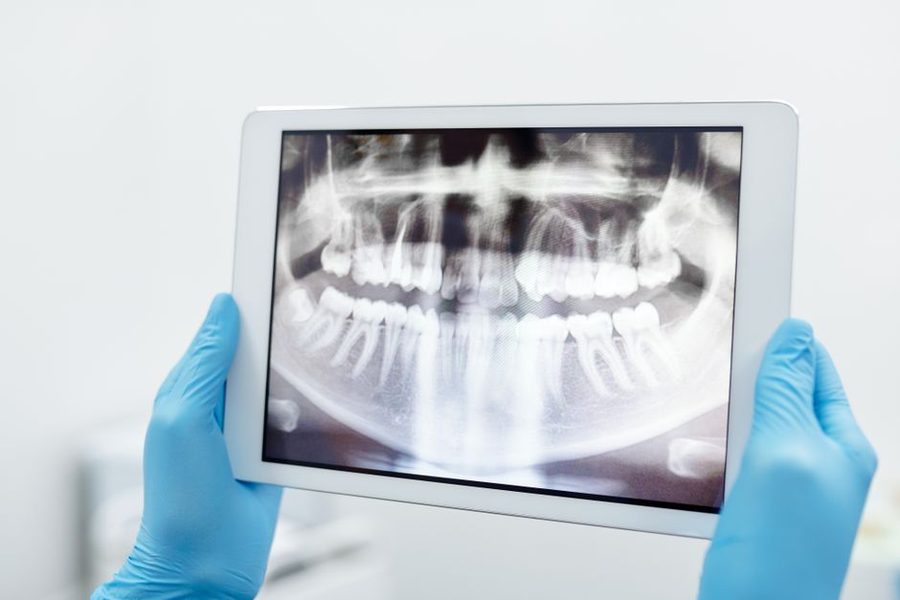
An emergency evaluation usually begins with a focused history. The dentist will want to know when the pain started, whether it is triggered by cold or biting, whether it wakes you up, whether swelling is present, and whether there has been recent trauma or dental work. X-rays are often essential because the visible part of the tooth tells only part of the story. A tooth can look fine above the gum while hiding a deep crack or infection below.
After the cause is identified, the dentist typically aims to do four things: diagnose accurately, reduce pain, control infection if present, and protect the tooth or surrounding tissue from further harm. That may mean draining an abscess, adjusting a bite, placing a sedative dressing, recementing a crown, smoothing a fracture, prescribing medication when appropriate, or proceeding with root canal therapy or extraction if the situation calls for definitive treatment.
This is where judgment matters. Not every painful tooth should be extracted, and not every https://maps.app.goo.gl/4o6QHAKDQnEHvxSE7 fractured tooth can be saved. The right decision depends on restorability, extent of decay, gum and bone support, position in the mouth, and the patient’s broader goals. A front tooth in a healthy mouth deserves every reasonable effort at preservation. A severely broken wisdom tooth with recurrent infection may be a different conversation.
Pain control, and what medication can and cannot do
People in acute dental pain often ask the same urgent question: what can I take right now? The safest answer depends on age, health history, pregnancy status, stomach or kidney issues, and other medications. Many patients get meaningful short-term relief from common over-the-counter options when used as directed on the label, but medication only blunts symptoms. It does not remove infection, rebuild enamel, or seal a crack.
Antibiotics are another common point of confusion. They are not a cure for every toothache. In fact, many painful dental problems do not improve with antibiotics because the source is inflammation inside the tooth rather than a spreading infection in the surrounding tissues. Antibiotics are typically reserved for situations involving swelling, spreading infection, fever, or other signs that bacteria are extending beyond the tooth itself. A tooth with irreversible nerve pain often needs local treatment, not just a prescription.
That distinction matters because people sometimes feel briefly better after starting an antibiotic and assume the problem is solved. Then the infection returns because the actual source, often a necrotic tooth or periodontal pocket, was never treated. A smart emergency dentist does not just chase symptoms. The aim is to eliminate the cause.
Cost concerns, triage, and the value of acting early
Many people delay urgent dental care because they are worried about cost. That concern is real. Emergency care can involve an exam, X-rays, treatment, medications, and sometimes specialist referral. But postponing care often raises the total bill. A small fracture that might have been bonded or crowned can become a root canal or extraction if it worsens. A localized infection can become a more expensive, more medically complex problem if swelling spreads.
A careful office will usually explain what must happen today versus what can be planned. That is useful because emergencies often come with choices. Some conditions have a lower-cost stabilizing option that buys time, while others do not. For example, a sedative filling or temporary recementation may be reasonable short-term care. A deeply infected tooth causing facial swelling usually requires decisive treatment.
If you are calling an Emergency Dentist Bakersfield CA, be ready to describe three things clearly: where the problem is, whether there is swelling, and whether trauma occurred. Those details help the office determine urgency and prepare appropriately. Mention if the patient is a child, pregnant, immunocompromised, or taking blood thinners. Those factors shape treatment decisions from the start.
Children, sports injuries, and weekend surprises
Pediatric dental emergencies come with an extra layer of emotion. Parents are often trying to judge the seriousness of an injury while calming a frightened child. The important first question is whether the injured tooth is a baby tooth or a permanent tooth. That changes the response significantly.
A knocked-out permanent tooth is time-sensitive and may be replanted. A knocked-out baby tooth is generally not replanted because doing so can damage the developing adult tooth underneath. That is a detail many parents do not know in the moment, and it is exactly why a quick call to a dentist is so helpful.
Sports injuries bring another twist. The visible chip on a front tooth may not be the biggest problem. Teeth can be loosened, intruded into the gum, or displaced in ways that require imaging and follow-up even if the patient seems fine initially. A child or teen may feel only mild discomfort because of adrenaline, then develop increasing pain later. Monitoring bite changes, discoloration, and swelling over the next days is part of responsible care.
Weekend emergencies are common because routine structure disappears. People snack more, travel, play sports, and postpone care they noticed on Friday. By Sunday, a "small issue" becomes the only thing they can think about. That pattern is familiar in every dental office that handles urgent visits.
When a problem looks minor but deserves a call anyway
Not every emergency announces itself with dramatic pain. Some deserve prompt advice because of what they can become. A crown that feels loose but has not yet come off can expose the tooth if ignored. A tooth that hurts only when chewing may be cracked in a way that worsens every time you bite. A pimple-like bump on the gum can indicate a draining infection, even if the pain has faded.
One case that often fools patients is a fractured cusp on a molar. The person feels a little "movement" when chewing and assumes it is only sensitivity. But if the crack extends deeper, every meal risks a more catastrophic break. Another is food trapping between teeth due to a broken filling or open contact. It may seem like an annoyance, but repeated packing of food into the gum can cause sharp pain and rapid inflammation.
The best rule is simple: if the symptom is new, intensifying, associated with swelling, or tied to trauma, it is worth professional guidance.
How to choose the right urgent dental help in Bakersfield
When time is tight, patients often search fast and call the first number they see. Speed matters, but clarity matters too. You want a practice that can explain whether they handle your type of emergency, whether same-day evaluation is possible, and whether a specialist may be needed. Oral surgery, pediatric trauma, complicated endodontic cases, and jaw injuries do not always belong in the same hands.
A reliable urgent dental office should be able to tell you, in plain language, what to do before arrival, whether to bring the knocked-out tooth or broken fragment, whether you should avoid eating, and whether your symptoms suggest a hospital visit instead. Those conversations reveal a lot. Good emergency care starts on the phone.
For people searching specifically for an Emergency Dentist Bakersfield CA, practical logistics matter as well. After-hours availability, weekend scheduling, clear payment information, and the ability to coordinate follow-up care all reduce stress. Emergency dentistry is not only about stopping pain. It is about moving you from crisis to a stable treatment plan.
The best emergency is the one you never have
No dentist can prevent every accident. Life happens. But a surprising number of urgent dental visits trace back to warning signs that were present weeks or months earlier. A tooth that occasionally zings with cold, a filling that catches floss, a wisdom tooth that flares every few months, a crown that feels slightly loose, nighttime grinding that leaves the jaw sore, these are all common precursors.
Routine exams help because they catch small failures before they become painful failures. Night guards help protect heavily restored teeth from fracture. Athletic mouthguards lower the risk of traumatic injury. Addressing dry mouth, reflux, and high-sugar snacking reduces decay risk. None of that is glamorous, but it works.
The larger point is reassuring. Most dental emergencies are treatable. Even when the situation feels chaotic, there is usually a clear next step once the problem is properly identified. Pain can be managed. Infections can be controlled. Many damaged teeth can be saved. And when a tooth cannot be saved, a thoughtful dentist will guide you toward the most sensible replacement plan rather than leaving you in limbo.
If you are facing sudden pain, swelling, or a dental injury, act early rather than hoping it will pass. Fast, appropriate care is what turns a frightening problem into a manageable one. That is exactly why people look for an Emergency Dentist Bakersfield CA when the unexpected hits. They need answers, relief, and a clinician who can tell the difference between urgent, serious, and simply inconvenient, then respond with skill and common sense.
Smyle Dental Bakersfield
2016 E St, Bakersfield, CA 93301, United States
+16614939040
FAQ About Emergency Dentist Bakersfield CA
What counts as a dental emergency?
Severe tooth pain, facial swelling, uncontrolled bleeding, a knocked-out or displaced tooth, and significant dental trauma may need prompt assessment. Trouble breathing or rapidly increasing swelling requires urgent medical help.
What should I do if a permanent tooth is knocked out?
Handle the tooth by the crown rather than the root, keep it moist, and contact a dentist immediately. Fast treatment can improve the chance of saving the tooth.
Can an emergency dentist treat severe tooth pain the same day?
Same-day care may be available depending on the cause and schedule. The dentist will examine the area, may take digital X-rays, and recommend treatment based on the diagnosis.
Should I go to the emergency room for dental swelling?
Seek urgent medical care for trouble breathing, difficulty swallowing, rapidly spreading facial swelling, or other severe symptoms. A dentist can assess the underlying dental cause and provide appropriate follow-up care.