How an Emergency Dentist Treats Sudden Dental Pain
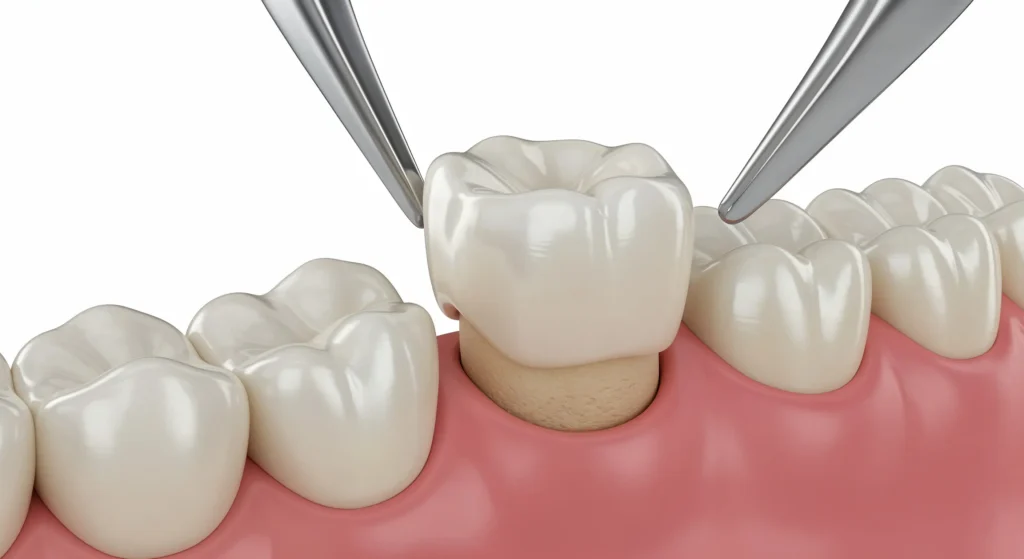
Sudden dental pain has a way of taking over everything. It interrupts sleep, makes work impossible, and turns an ordinary meal or sip of water into a sharp reminder that something is wrong. People often wait too long because they hope the pain will fade on its own. Sometimes it does ease for a few hours. That temporary calm can be misleading. In practice, severe tooth pain usually means inflammation, infection, trauma, or pressure inside the tooth or surrounding tissues, and those problems rarely solve themselves.
An Emergency Dentist is trained to sort out that pain quickly, identify the cause, and decide what must be done now versus what can safely wait. That distinction matters. Not every painful tooth needs to be removed that day, and not every swelling can wait until next week. The immediate goal is not simply to hand out pain relief. It is to diagnose the source, reduce risk, and stabilize the situation so the patient can function again without letting the underlying problem spread.
Why sudden dental pain can become urgent so fast
Dental pain is different from many other aches because the tissues involved are enclosed and unforgiving. A tooth is a hard structure with a nerve and blood supply in the center. When inflammation develops inside that small internal chamber, pressure builds. That is why a toothache can throb in time with the heartbeat and why lying down at night often makes it feel worse. There is not much room for swelling to go.
Pain can also come from the tissues around the tooth. An abscess in the gum, an infection around a wisdom tooth, a cracked filling, an exposed root surface, or trauma from a sports injury can all create sudden, intense discomfort. The challenge is that people often describe very different problems in the same words. “It hurts when I bite” could mean a cracked tooth, a high filling, an infected ligament around the root, or a broken cusp. “It is sensitive to cold” might be early decay, gum recession, or a fracture line. Good emergency care starts with narrowing those possibilities quickly.
The urgency rises when pain is accompanied by swelling, fever, a bad taste in the mouth, difficulty swallowing, or trouble opening the mouth. Facial swelling is not just a cosmetic issue. It can signal an infection that is moving through soft tissue spaces. Most dental infections remain localized, but when they do spread, they can escalate fast. That is why emergency dental teams ask very direct questions about breathing, swallowing, fever, and the speed at which the swelling appeared.
The first few minutes matter more than most people realize
When a patient arrives in pain, the appointment often looks simple from the chair, but a lot of clinical judgment is happening in the first ten minutes. Before anyone touches the tooth, the Emergency Dentist is already building a working diagnosis through the history.
The https://elliottheef734.lucialpiazzale.com/emergency-dentist-treatment-options-for-gum-infections patient is usually asked when the pain started, whether it came on suddenly or built gradually, what triggers it, whether heat or cold affects it, whether the pain lingers after the trigger is gone, and whether chewing makes it worse. A lingering response to cold often points in a different direction than a sharp pain only on release from biting. Those details are not small talk. They guide the next step.
Medication history matters too. Patients sometimes take alternating doses of common pain relievers all day before seeking care, and that can mask the pattern of the pain without fixing the source. Dentists also need to know about blood thinners, allergies, pregnancy, diabetes, recent antibiotic use, and heart conditions that may influence treatment choices. Someone with a swelling and poorly controlled diabetes, for example, may need a more aggressive management plan than an otherwise healthy person with the same tooth problem.
Then comes the examination. This usually includes looking for visible decay, broken restorations, swelling, fistulas on the gum, mobility, bite changes, and signs of trauma. The dentist may gently tap on the tooth, apply cold, check the gums around it, and take one or more focused X rays. A periapical image, which shows the whole tooth and root area, is often especially helpful in emergency visits because it can reveal deep decay, infection near the root tip, widening of the ligament space, or fracture clues. Even then, the picture is not always obvious. Cracks can hide. Early infections may not show on X ray yet. Diagnosis is often a combination of imaging, testing, and pattern recognition built through experience.
What an Emergency Dentist is trying to achieve during the visit
The treatment plan in an emergency appointment usually follows three priorities. First, control pain. Second, remove or reduce the cause. Third, prevent the problem from becoming more serious before definitive care is completed.
That may sound straightforward, but there are trade-offs. A badly inflamed tooth may hurt because the nerve is still alive and under pressure. In that case, opening the tooth and removing inflamed tissue can bring dramatic relief. A tooth with a dead nerve and a spreading abscess may need drainage and management of infection rather than nerve treatment as the first step. A fractured tooth may need smoothing, sealing, temporary stabilization, or extraction depending on how deep the crack extends. A knocked-out tooth is a race against time, where minutes matter more than medication.
This is one reason emergency dentistry is not just routine dentistry done faster. The dentist has to make good decisions with incomplete information, limited time, an uncomfortable patient, and sometimes a tooth that is too inflamed to anesthetize easily on the first try.
How pain is controlled in real clinical practice
Many patients assume the hardest part of an emergency visit is enduring the procedure. More often, the real challenge is getting the area fully numb when infection or severe inflammation has altered the local tissue chemistry. Normal anesthetic techniques can become less reliable in these situations. An experienced Emergency Dentist adjusts. That can mean using a different anesthetic, changing the injection approach, supplementing with another technique, or giving the anesthetic more time to work before starting.
If the pain source is a lower molar with a “hot nerve,” for example, numbness can be stubborn. A standard block alone may not be enough. The dentist might combine methods and check carefully before proceeding. Good emergency care is patient, not rushed. Starting too early only heightens anxiety and makes the appointment harder for everyone.
Pain relief also depends on removing pressure or irritation. If a tooth is abscessed, opening a pathway for drainage can reduce the throbbing dramatically. If a filling has fractured and left dentin exposed, placing a temporary restoration can calm the tooth. If the bite is landing heavily on an inflamed tooth, a small adjustment may reduce the mechanical stress that keeps reactivating the pain.
Antibiotics have a role, but a narrower one than many patients expect. They do not cure every toothache, and they are not a substitute for dental treatment. If the pain comes from irreversible inflammation inside a tooth, antibiotics alone usually will not touch it. They are more appropriate when there are signs of spreading infection, swelling, fever, or risk factors that raise concern. Used casually, they can delay the proper treatment while the source remains active.
The most common emergency treatments and when each is used
Dental emergencies do not all end the same way. The treatment depends on what the examination shows and what is realistically achievable in that visit.
If deep decay has reached the nerve and the tooth is restorable, the Emergency Dentist may begin root canal treatment or perform a pulpotomy or pulpectomy, which means removing inflamed or infected tissue from inside the tooth to relieve pressure. Patients are often surprised by how much better they feel once that internal pressure is relieved, even before the final restoration is done.
If the tooth cannot be saved because decay is too extensive, the crack extends below the gumline, or the surrounding support is poor, extraction may be the most predictable option. That is not always what patients want to hear, but emergency care is often about choosing the treatment with the best chance of ending pain and preventing repeat crises. Saving a tooth at all costs is not always the wisest decision if its long-term outlook is very poor.
When swelling is present, incision and drainage may be performed if there is a localized collection of infection that can be accessed safely. This can help quickly, especially when combined with treating the source tooth. If there is trauma, the dentist may reposition a displaced tooth, stabilize it, cover exposed dentin, or manage soft tissue injuries. A lost crown or broken filling may be repaired temporarily or permanently depending on the condition of the tooth underneath.
There are also cases where the emergency visit is mainly about diagnosis and temporary stabilization. A patient may arrive on a Saturday night with intense pain from a crack that extends in a way only a specialist’s microscope or a follow-up assessment can fully confirm. In that situation, the dentist may control symptoms, place a temporary measure, and arrange the next stage promptly rather than pretend certainty where there is none. Good judgment includes knowing when not to overpromise.
Signs that call for urgent dental attention
Some symptoms can wait a day or two for a routine appointment. Others deserve same-day assessment. The following situations are the ones most clinicians treat as truly urgent:
- Facial swelling, especially if it appeared quickly or is getting worse.
- Difficulty swallowing, breathing, or opening the mouth normally.
- Severe pain that does not settle with standard pain relief or keeps waking you up.
- A knocked-out, displaced, or broken tooth after an injury.
- Bleeding that does not stop or signs of infection such as fever and foul drainage.
A mild tooth sensitivity to cold for a week is not the same as a swelling that has changed the shape of the face overnight. The skill lies in telling those apart early.
What patients often feel during treatment, and why it is usually manageable
Fear is common, even in adults who are otherwise calm in medical settings. Dental pain has a way of making people feel cornered. Many come in after a bad night with little sleep, too much internet searching, and the sinking worry that they will either be told they need a tooth removed or be pushed through a painful procedure. In a well-run emergency clinic, that is not how it works.
Once numbness is achieved, most emergency procedures are more about pressure and vibration than pain. The exceptions tend to happen when a tooth is acutely inflamed and the anesthesia needs to be reinforced. The best emergency dentists expect that possibility and talk patients through it in plain language. That communication is part of treatment. People cope better when they know what the next five minutes will feel like and why a step is being taken.
I have seen patients arrive gripping the armrests, convinced they will not get through the appointment, then sit up at the end almost stunned by how quickly the pressure eased after drainage or pulp removal. Not every case resolves that dramatically, but many do. The emotional shift is often just as noticeable as the physical one. Severe dental pain narrows a person’s world. Relief gives it back.
Cases that look simple but are not
One of the more deceptive presentations is pain that seems to come from a single tooth but is actually referred from another area. Upper back teeth, in particular, can muddy the picture. Sinus pressure can mimic toothache. Jaw muscle pain from clenching can make several teeth feel sore. A cracked tooth can produce pain only on release from chewing and remain nearly invisible on X ray. These are the cases where a quick patch without careful testing leads to the patient returning two days later just as miserable.
Wisdom tooth pain is another example. A partially erupted wisdom tooth can trap bacteria under the gum flap and become acutely inflamed. The patient may feel pain all along the jaw and into the ear. Sometimes cleaning the area, irrigating it, and reducing the opposing trauma buys time. Sometimes the swelling, repeated episodes, or lack of space means extraction is clearly the better course.
Children can present differently too. They may struggle to localize the pain, especially when the source is a back tooth. Swelling in a child should be taken seriously, and trauma to front teeth after falls or sports injuries often needs prompt assessment even when the tooth does not look dramatically damaged at first glance. Color changes, sensitivity, and mobility can evolve over days.
Aftercare is not an afterthought
The procedure itself is only part of the emergency visit. What happens in the next 24 to 72 hours matters just as much. Patients should leave knowing what was done, what was not done yet, what level of soreness is normal, and which warning signs mean they should call back.
A tooth that has had emergency root canal access may feel significantly better within hours, but chewing on it too soon can still be uncomfortable. An extraction site will usually ooze a little at first, and the patient needs clear instructions about gauze pressure, eating, smoking, rinsing, and activity. A drained infection may continue to feel tender even as the pressure improves. Temporary restorations can dislodge if treated like final ones. These details prevent avoidable setbacks.
Pain relief advice also needs nuance. For many adults, combining common over-the-counter medications in an appropriate schedule gives better pain control than relying on one alone, but recommendations must fit the person’s medical history. Someone with stomach ulcers, kidney disease, anticoagulant use, or pregnancy needs tailored guidance. This is where professional instruction matters more than generic online advice.
What to do before you reach the clinic
There are a few sensible steps that help while you are arranging care, and a few mistakes worth avoiding. The useful measures are simple:
- Rinse gently with warm salt water if the mouth is sore or swollen.
- Use a cold compress on the outside of the face for swelling after trauma.
- Keep the area as clean as you can without aggressive poking or scraping.
- Take pain relief only as directed on the label or by a clinician who knows your history.
- If a tooth has been knocked out, hold it by the crown, not the root, and seek care immediately.
People still try old home remedies that do more harm than good. Aspirin placed directly on the gum can burn the tissue. Clove oil can irritate if overused. Delaying care because the pain eased after a tablet is a common mistake, especially with teeth whose nerves are dying. When the pain suddenly “goes away,” that can mean the nerve has stopped responding, not that the infection is gone.
If a permanent tooth is knocked out, time is critical. The best chance of saving it is usually within the first 30 to 60 minutes, though outcomes vary. If the tooth is dirty, a brief gentle rinse may help, but scrubbing the root can damage delicate cells needed for reattachment. In many cases, storing it in milk and going straight to an Emergency Dentist is far better than wrapping it in tissue and waiting until morning.
Why some problems are fixed in one visit and others are staged
Patients in pain understandably want a final answer that day. Sometimes that is possible. A simple extraction, a repaired fracture, or initial endodontic treatment can solve the main issue at once. Other times the safest and most successful approach is staged care.
A lower molar with severe infection and limited mouth opening may need pain control, drainage, medication if indicated, and a return visit once the tissues settle. A complex fracture may need a temporary build-up and referral. A child with trauma may need monitoring over time because the long-term health of the tooth depends on how the pulp responds. Emergency dentistry is about changing the trajectory of the problem immediately, not necessarily finishing every step in one sitting.
That distinction can actually protect the patient. Rushing into a heroic procedure on a swollen, exhausted patient with poor anesthesia and unclear anatomy can create more trauma than benefit. Experience teaches when decisive action is needed and when restraint produces a better outcome.
The practical value of getting help early
The gap between “manageable” and “emergency” can close faster than many people think. A cavity that caused occasional sweetness sensitivity in spring can become a full night of throbbing pain by autumn. A chipped cusp that felt minor on Friday can expose the nerve by Sunday after one hard bite. Waiting is expensive in more ways than money. It often turns a simpler repair into root canal treatment, extraction, or a spreading infection.
There is also a quality-of-life cost that does not show up on treatment plans. People with acute dental pain stop eating properly, sleep badly, cancel meetings, and become short-tempered at home. Parents try to function while comforting a child in pain. Shift workers sit through the night counting the hours until a clinic opens. Emergency dental care exists because these situations are not trivial. They are disruptive, sometimes risky, and often far more treatable when addressed promptly.
A good Emergency Dentist does more than stop pain for the moment. The real job is to interpret symptoms accurately, rule out danger, perform the right immediate treatment, and set up the next step so the same problem does not return in a week under a different name. When that process is done well, the relief feels almost disproportionate to the appointment length. A patient walks in unable to think about anything except the ache, and walks out with a clear diagnosis, a stabilized tooth or treated infection, and a plan that makes sense. That is the difference emergency dental care is meant to make.
Simple Dental South Gate
Address: 8617 California Ave, South Gate, CA 90280
Phone number: +13236896118
FAQ About Emergency Dentist Southgate CA
What can the ER do for a tooth?
The emergency room can provide temporary symptom relief for a bad tooth, such as prescribing pain medicine or antibiotics, but it cannot fix the actual dental problem.
What is the 3-3-3 rule for tooth infection?
The 3-3-3 rule for a toothache or infection typically means taking three 200 mg ibuprofen tablets (600 mg total) three times a day for no more than three days to control pain and swelling while waiting to see a dentist.
What do you do if you have a dental emergency but no dentist?
If you have a dental emergency and no regular dentist, you should search for an urgent care dental clinic, call local walk-in dental offices, or go to a hospital emergency room if you have severe bleeding, swelling, or trouble breathing.