What Counts as a Dental Emergency in Plano TX?
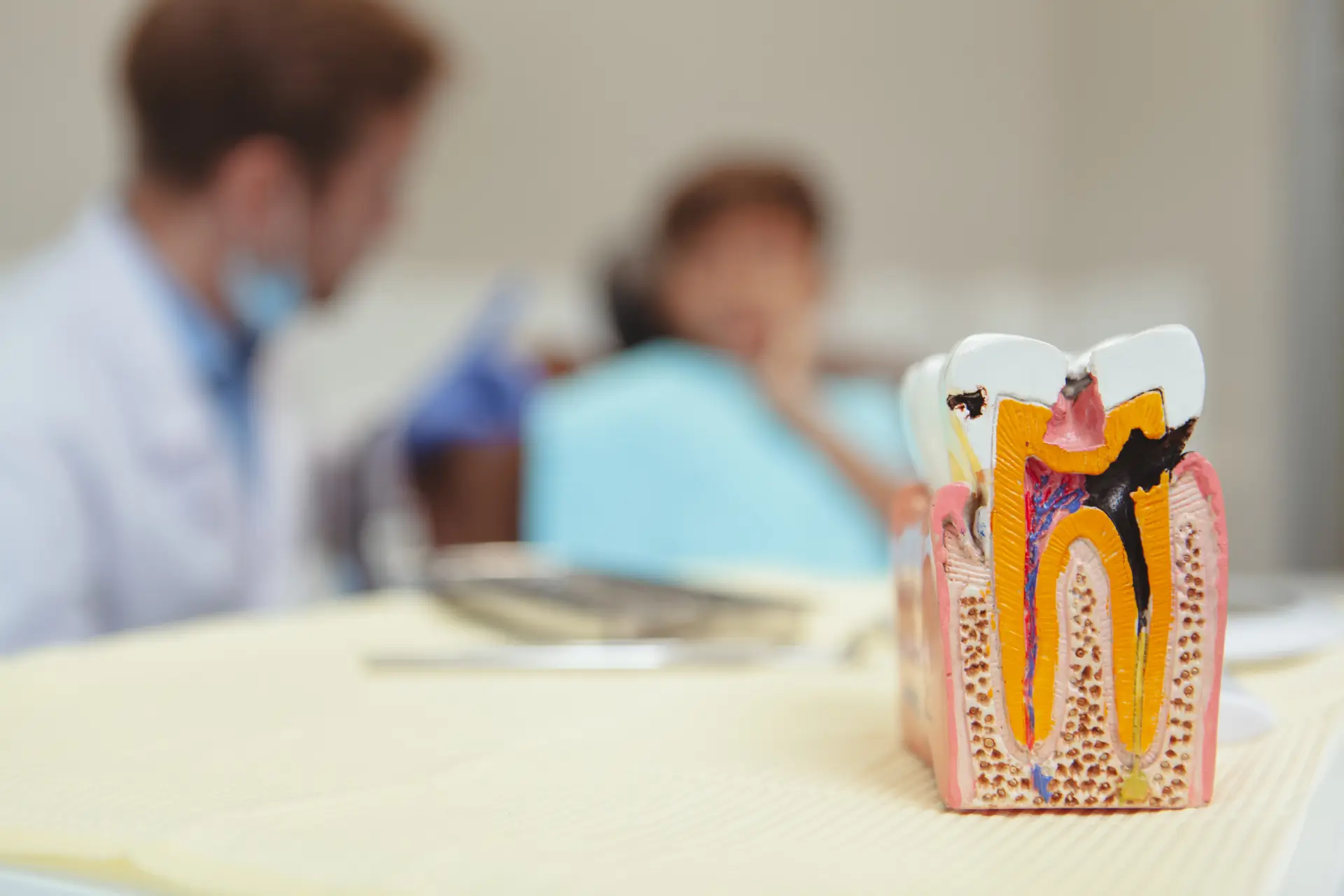
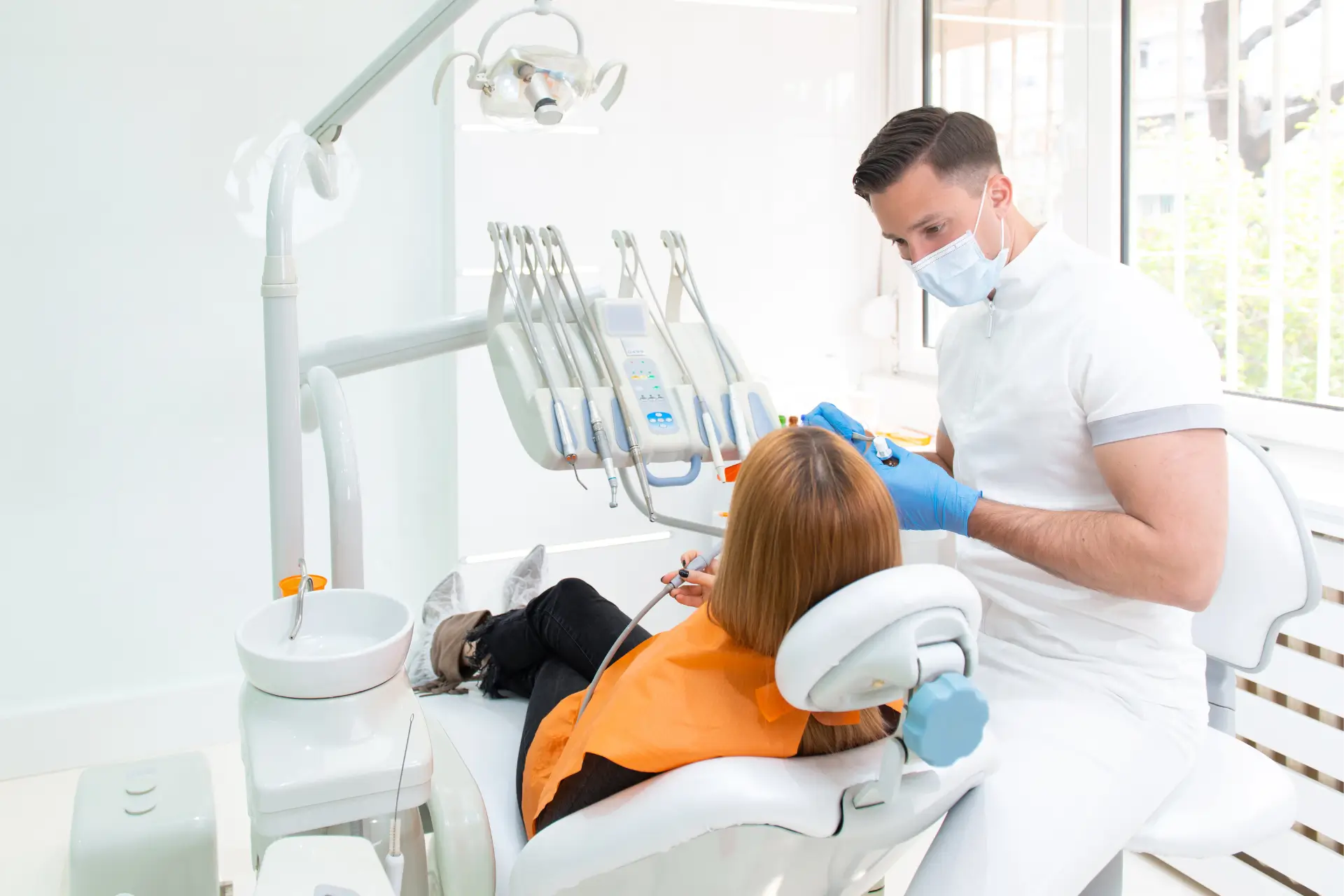
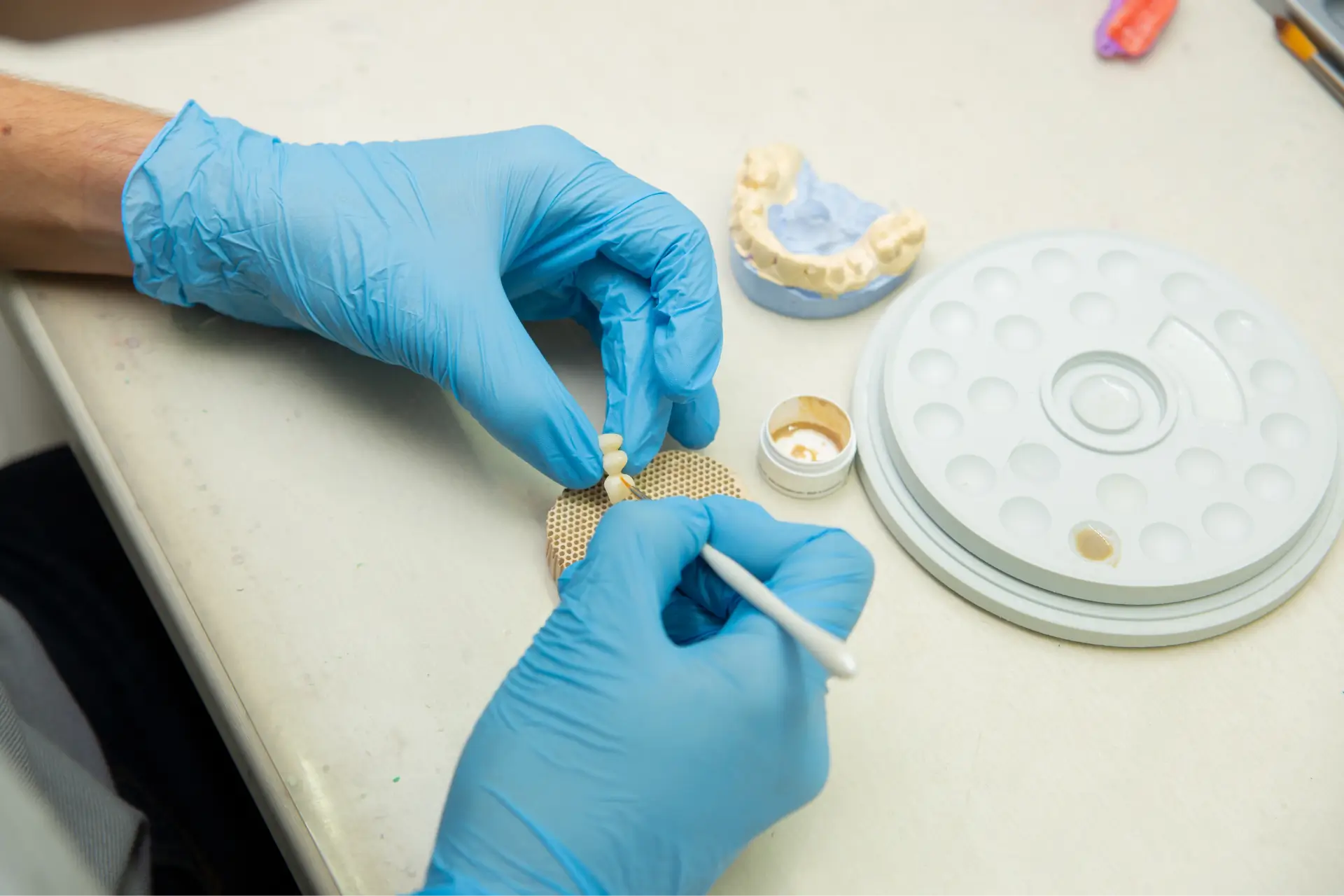
Dental pain has a way of getting your full attention. A mild toothache can wait a day or two. A cracked molar after dinner might seem manageable until the cold air hits it and the pain turns sharp. A knocked out tooth, a rapidly swelling gum, or bleeding that will not stop, those situations are different. They move out of the category of inconvenience and into something more urgent.
For patients trying to figure out whether they need same-day care, the real question is not simply, “Does this hurt?” It is, “Could waiting make this worse, harder to treat, or more dangerous?” That is the line dentists look at every day. In a busy community like Plano, where people are balancing work, school schedules, sports, and family obligations, it is common for someone to delay treatment because they hope the problem will settle down on its own. Sometimes it does. Often it does not.
A true dental emergency usually involves severe pain, trauma, infection, uncontrolled bleeding, or damage that threatens the tooth or surrounding tissue. It https://cashmzim555.talesignal.com/posts/why-ignoring-a-dental-emergency-in-plano-tx-can-make-it-worse can also include anything that interferes with normal function, such as difficulty swallowing, trouble opening the mouth, or facial swelling that seems to be spreading. The sooner those problems are examined, the better the odds of preserving the tooth and avoiding more invasive treatment later.
The difference between urgent and routine dental problems
Not every dental problem needs immediate treatment, but many deserve prompt attention. That distinction matters because it helps patients make better decisions in stressful moments.
A routine issue is something that should be scheduled, but not rushed to the same day. A small chip with no pain, a lost filling that leaves the tooth only mildly sensitive, or food stuck between teeth that clears with flossing usually falls into that group. These problems can still worsen, so they should not be ignored, but they are not usually emergencies in the strict sense.
An urgent dental issue is different. If pain is severe enough to disrupt sleep, if a tooth has been knocked loose, if the face is swelling, or if there is bleeding after an injury that does not stop, a same-day evaluation is appropriate. That is where the term Dental Emergency Plano TX becomes more than a search phrase. It reflects a real need for timely local care, often outside the neat boundaries of a regular appointment schedule.
One point patients sometimes miss is that the degree of visible damage does not always match the seriousness of the problem. A dramatic-looking chipped front tooth may be emotionally distressing but medically stable. Meanwhile, a back tooth with no visible fracture can hide an abscess that causes intense throbbing pain and facial swelling. Dentists are trained to look beyond appearance and assess nerve involvement, infection risk, and structural damage.
Pain that signals more than sensitivity
Pain is one of the most common reasons people call for emergency dental care, but not all pain carries the same urgency.
A brief zing when drinking something cold may come from exposed dentin, a worn filling, or gum recession. That should be addressed, but it is not usually an emergency. By contrast, pain that wakes you at night, pain that pulses with your heartbeat, or pain that radiates into the jaw or ear is more concerning. Those patterns often point to inflammation inside the tooth, infection around the root, or pressure building in surrounding tissues.
Severe pain after a recent filling or crown can also be urgent, especially if the bite feels suddenly high or the tooth becomes hard to touch. Sometimes the fix is simple, a quick adjustment to the restoration. Other times the tooth has developed a deeper pulpal problem. Either way, waiting through a weekend in significant pain rarely improves the situation.
It is also worth paying attention to pain with swelling. A toothache alone is one thing. A toothache with a puffy cheek, gum swelling, or a bad taste in the mouth raises concern for infection. Once infection begins to spread beyond the immediate area of the tooth, the clinical picture changes. The goal becomes not only relieving pain but controlling the source before it involves deeper spaces in the face or jaw.
When swelling becomes a serious warning sign
Swelling is one of the clearest indicators that a dental problem may be an emergency. It often means the body is reacting to infection or trauma, and in some cases the swelling can progress quickly.
A localized gum bump near a painful tooth may indicate an abscess draining through the tissue. Even if the pain decreases after it drains, the infection itself has not resolved. The source inside or around the tooth still needs treatment. Left alone, it can flare again, often at the worst possible time.
Facial swelling deserves even more respect. If one side of the face is noticeably enlarged, or if swelling begins to involve the jawline, under the eye, or under the chin, the situation should be assessed promptly. Add fever, fatigue, difficulty swallowing, or trouble breathing, and it moves into an immediate medical concern. Those symptoms can signal a spreading infection that may require emergency intervention beyond the dental office.
In practical terms, if swelling is increasing over hours rather than days, that is not something to watch casually. It is something to call about right away.
Broken, cracked, and knocked out teeth
Trauma produces some of the most obvious dental emergencies. Sports injuries, falls, car accidents, and even a hard bite into a stray olive pit or popcorn kernel can fracture a tooth.
A small enamel chip without pain is often repairable on a non-emergency basis. A larger break, especially one that exposes yellow dentin or pink tissue, is a different matter. Exposed inner layers leave the tooth vulnerable to infection, sensitivity, and further structural failure. In those cases, the sooner the tooth is protected, the better.
Cracked teeth can be especially tricky because the damage is not always easy to see. Patients often describe sharp pain when biting down, followed by relief when they let go. Others say the tooth hurts unpredictably when chewing certain foods. A crack that extends toward the pulp or below the gumline can worsen with every bite. This is one of those situations where delaying care may turn a salvageable tooth into one that needs extraction.
A knocked out permanent tooth is a true emergency. Time matters. In the best cases, a tooth replanted quickly has a chance of healing back into place. The odds are generally better if reimplantation happens within about 30 to 60 minutes, though every case is different. The root surface is delicate, so handling it properly makes a real difference.
If a permanent tooth is knocked out, this short response can help:
- Pick the tooth up by the crown, not the root.
- If it is dirty, rinse it gently with milk or saline, or briefly with water.
- Try to place it back in the socket if possible, without forcing it.
- If that is not possible, keep it moist in milk or inside the cheek.
- Seek immediate dental care.
One important caveat: that advice applies to permanent teeth, not baby teeth. A knocked out baby tooth should not be pushed back into place because of the risk of harming the developing adult tooth underneath.
Bleeding that does not stop
A little bleeding after flossing around inflamed gums is common. Bleeding after an extraction or injury can also happen. What makes it an emergency is persistence and volume.
If someone has had a tooth removed and the site is oozing lightly, steady pressure with clean gauze often controls it. What raises concern is active bleeding that continues despite firm pressure, especially beyond a reasonable period. The same is true after trauma to the lips, gums, tongue, or cheeks. Oral tissues have a rich blood supply, so even minor cuts can look dramatic, but bleeding that will not slow down needs attention.
Patients who take blood thinners may have more difficulty controlling oral bleeding. That does not always mean a crisis, but it does lower the threshold for calling the dentist or physician for guidance. In practice, prolonged bleeding is often manageable, but it should not be brushed aside.
Lost fillings, crowns, and dental work
A lost crown at breakfast does not always qualify as an emergency, but context matters. If the exposed tooth is sensitive but stable, it may be possible to schedule a prompt visit within a day or two. If the tooth underneath is cracked, painful, or sharply broken, it moves higher on the urgency scale.
The same logic applies to fillings. A lost filling can leave the tooth open to temperature sensitivity and food packing. Some patients feel almost nothing. Others develop sharp pain right away because the cavity was deep or the remaining tooth structure is thin. In those cases, waiting can lead to contamination of the tooth and progression toward root canal treatment.
Orthodontic emergencies are usually less dramatic but still uncomfortable. A poking wire, broken bracket, or loose appliance can cause significant irritation to the cheek or gums. It rarely threatens health in the way an abscess does, but same-day advice or a quick repair may still be appropriate if tissue is being cut or the appliance is no longer functioning safely.
Infections and abscesses are often the quiet escalators
One of the more dangerous assumptions patients make is that antibiotics alone will “fix” a dental infection. They can help control bacterial spread, but they do not remove the source. If the inside of the tooth is infected, or if a deep periodontal pocket is harboring bacteria, definitive treatment is still needed. That may be a root canal, drainage, deep cleaning, or extraction, depending on the cause.
The reason dentists take abscesses seriously is simple. Dental infections can spread through soft tissue planes. Most remain localized when treated promptly. Some do not. A patient might first notice a tender gum bump on Thursday and arrive Saturday with a swollen face, difficulty chewing, and a fever. That progression is not rare.
A bad taste in the mouth, pus near the gumline, a tooth that feels “too high,” or swollen lymph nodes under the jaw can all point toward infection. None proves an emergency by itself, but together they paint a picture that should not wait long.
Problems that can wait, at least briefly
Patients often feel embarrassed about calling after hours because they do not want to overreact. That hesitation is understandable. It helps to know what usually can wait until the next available appointment, as long as symptoms remain mild and stable.
A tiny chip with no sensitivity, mild tooth soreness after dental work, a loose baby tooth, or a dull ache that responds to over-the-counter pain relief without swelling generally does not require emergency treatment. Cosmetic concerns, while important, are rarely emergencies unless trauma or severe pain is involved.
That said, “can wait” does not mean “ignore.” A cracked filling today can become a broken cusp next week. Mild gum irritation can evolve into a localized infection if food and bacteria continue to collect. Dentistry rewards early intervention more than almost any other area of outpatient care.
What to do before you get to the office
The period between the moment something happens and the time you are seen can make a difference. Patients do not need to improvise complicated treatment, but a few practical steps can limit damage and reduce discomfort.
For pain, rinsing gently with warm salt water can soothe irritated tissues and help clear debris. A cold compress on the outside of the face may reduce swelling after trauma. Over-the-counter pain medication can help if the patient is able to take it safely, though aspirin should not be placed directly on the gum, a persistent myth that can actually burn the tissue.
For a fractured tooth, saving any pieces can sometimes help the dentist evaluate the break. For a dislodged crown, keeping it clean and bringing it in may allow recementation if the fit and tooth structure are still sound. For soft tissue injuries, light pressure with clean gauze is usually the first move.
These are reasonable stopgaps, not substitutes for care. The most important step is still getting an accurate diagnosis.
Why timing matters more than many people think
Emergency dental care is not only about stopping pain. It is often about preserving options. A cracked tooth treated early may need a crown. The same tooth, after weeks of delayed chewing on the opposite side and occasional “testing” bites, may split far enough to require extraction. An abscess drained and treated early may resolve with root canal therapy. The same infection ignored until significant swelling develops can involve more medication, more appointments, and greater risk.
Financially, delay can be expensive too. Patients often assume waiting saves money because they avoid the immediate visit. In reality, minor problems tend to become major ones. A simple recementation, small restoration, or adjustment is usually far less costly than rebuilding a fractured tooth or replacing one that can no longer be saved.
There is also the issue of pain patterns. Dental pain rarely keeps a polite schedule. It tends to intensify at night, during travel, before holidays, or in the middle of a child’s tournament weekend. That unpredictability is one reason many people search for a Dental Emergency Plano TX provider the moment symptoms jump from tolerable to disruptive.
Dental emergencies in children
Parents often face a separate layer of uncertainty because children do not always describe symptoms clearly. A child may say their tooth “feels funny” when the real problem is trauma to the nerve, a loose crown on a baby tooth, or swelling near the gum.
Falls are common. If a child chips a tooth but seems comfortable, prompt evaluation is still wise, especially if the tooth changed color, became mobile, or the lip was cut by a sharp edge. Swelling, persistent crying from pain, fever, or refusal to eat because chewing hurts should all push the matter higher on the priority list.
For younger children, injuries to baby teeth may affect the developing permanent teeth underneath. That does not mean every bump causes long-term damage, but it does mean trauma deserves professional judgment rather than guesswork.
A good rule of thumb when you are not sure
Patients do not need to diagnose themselves perfectly. They only need a reasonable sense of when a problem crosses into urgent territory. A simple way to think about it is this: if there is significant pain, visible swelling, uncontrolled bleeding, trauma, or a risk that the tooth could be lost, call right away.
When people are deciding whether to seek immediate care, these signs usually justify prompt attention:
- severe or throbbing tooth pain that does not ease
- swelling of the gums, face, or jaw
- a knocked out, loose, or significantly broken permanent tooth
- bleeding that continues despite pressure
- signs of infection such as pus, fever, or difficulty swallowing
That framework is not perfect, but it is practical. It captures the problems that tend to worsen quickly or become much harder to treat if left alone.
Choosing care quickly and wisely in Plano
Access matters in an emergency. In Plano, patients often have options between a general dentist offering same-day appointments, an emergency dental office, a pediatric dentist for children, or a hospital emergency room when facial infection or breathing concerns are involved. The right choice depends on the symptoms.
A dental office is usually the best place for urgent tooth pain, cracked teeth, crowns, fillings, and localized swelling. A hospital emergency room becomes appropriate when swelling affects breathing or swallowing, when trauma involves the face more broadly, or when there are systemic symptoms such as high fever and significant weakness. Emergency rooms can manage pain and infection concerns, but they typically do not perform definitive dental treatment, so follow-up with a dentist is still necessary.
From a practical standpoint, the best emergency dental care is not only fast, it is decisive. Patients need a clear diagnosis, pain control, and a realistic plan for what happens next. Sometimes that means immediate treatment. Sometimes it means stabilizing the problem and returning for definitive care once inflammation settles. Good judgment matters as much as speed.
When people ask what counts as a dental emergency, the shortest honest answer is this: if the problem threatens your health, your tooth, or your ability to function normally, it deserves urgent attention. If you are in pain and uncertain, it is almost always better to call and be told it can wait than to stay quiet while the situation gets worse.
Vitality Dental
Address: 1220 Coit Rd #106, Plano, TX 75075
Phone number: +19726454100
FAQ About Dental Emergency Plano TX
What can the ER do for a tooth?
An emergency room (ER) can manage pain and treat severe infections with medication, but it cannot fix or pull a tooth.
What is considered a dental emergency?
A dental emergency is any oral health problem that involves severe pain, uncontrollable bleeding, or an infection that threatens your health or requires immediate care to save a tooth.
Is there a 24-hour dental service in Plano, TX?
There is no physical dental clinic in Plano, Texas, that stays open with walk-in staff 24 hours a day, but several offices offer 24/7 phone support, late-night hours, or same-day emergency care.