What Services Does an Emergency Dentist Typically Offer?
A dental emergency has a way of rearranging a day in minutes. A chipped front tooth before a meeting, a throbbing molar that wakes you at 2 a.m., a child who falls off a bike and starts bleeding from the mouth, these situations feel urgent because they are. Pain is only part of the problem. Dental injuries and infections can worsen quickly, and what seems minor at first can become harder, more expensive, and more invasive to treat if it is ignored.
That is where an Emergency Dentist steps in. Most people assume emergency care means one thing, usually pain relief. In practice, it is broader than that. An emergency visit often combines diagnosis, stabilization, and immediate treatment, with a longer-term plan to protect the tooth, the gums, and the bite. The goal is not simply to get a patient through the day. It is to stop the condition from escalating and to preserve as much healthy tissue as possible.
What counts as a dental emergency
Not every dental problem needs same-day treatment, but many do. Severe tooth pain, facial swelling, uncontrolled bleeding, trauma to the teeth or jaw, a knocked-out tooth, and signs of infection are among the most common reasons patients seek urgent care. Sometimes the emergency is dramatic. A basketball collision leaves a teenager holding half a front tooth in his hand. Sometimes it is subtle. An adult notices pressure near a back molar, then wakes up with swelling along the gumline and pain when swallowing.
One of the practical challenges in emergency dentistry is triage. The dentist has to determine whether the patient needs immediate in-office treatment, referral to an oral surgeon, or even a trip to the hospital. If swelling affects breathing, if there is significant facial trauma, or if fever and rapidly spreading infection are present, the case may extend beyond routine office care. An experienced Emergency Dentist knows where dentistry ends and broader medical management begins.
The first job is finding the source of the problem
Emergency dentistry often starts with detective work. A patient may point to one tooth, while the real issue lies elsewhere. Referred pain is common in the mouth. An upper molar infection can feel like sinus pressure. A cracked lower tooth can create pain that radiates into the ear or jaw joint. Gum infections, wisdom tooth inflammation, and clenching-related fractures can all mimic each other.
A proper emergency evaluation usually includes a focused exam, percussion tests, cold testing when appropriate, and dental X-rays. In some offices, a small field CBCT scan may be used if the case is complex, particularly when root fractures, abscess spread, or traumatic injuries are suspected. The point is not to overtest. It is to identify the exact structure causing the pain so treatment is targeted and effective.
Patients are sometimes surprised when the visit begins with questions that seem unrelated to the tooth itself. When did the pain start? Is it sharp, dull, throbbing, constant, or triggered by biting? Is there swelling, a bad taste, or trouble sleeping? Was there recent dental work? These details matter. They can mean the difference between a simple filling repair and the need for root canal treatment, drainage, or extraction.
Relief of severe tooth pain
Pain management is one of the most common services an Emergency Dentist provides, but it is not just about numbing the area and sending the patient home. Lasting relief comes from addressing the cause.
If pain is due to deep decay reaching the pulp, the dentist may remove decay, place a sedative dressing, or begin root canal treatment. If a filling has fallen out and the tooth is hypersensitive to air and temperature, covering the exposed dentin can make a dramatic difference within minutes. If the issue is a high crown or a cracked cusp causing pain on biting, adjusting the bite may relieve symptoms almost immediately.
There is a real difference between pain from inflammation and pain from infection. Inflammation inside the tooth may produce intense, lingering sensitivity to heat or cold without swelling. Infection often brings tenderness to touch, pressure, swelling, or a pimple-like bump on the gum. The treatment choices differ, which is why an accurate diagnosis matters more than simply prescribing medication.
Treatment for cracked, chipped, and broken teeth
Dental trauma is one of the clearest areas where emergency care proves its value. A chipped tooth may sound cosmetic, but not all chips are equal. A tiny edge fracture can often be smoothed or bonded the same day. A large break that exposes dentin or pulp can lead to severe pain and infection if left untreated.
For broken teeth, emergency services commonly include smoothing sharp edges, placing bonded restorations, applying temporary protective materials, or preparing the tooth for a crown. In more severe cases, the dentist may need to perform pulp therapy or recommend extraction if the fracture extends below the gumline and cannot be predictably restored.
Cracks deserve special attention because they are easy to underestimate. Some patients report pain only when releasing their bite, a classic clue for a cracked tooth. Others describe intermittent sharp pain when chewing seeds, crusty bread, or granola. Cracks can spread over time. Early stabilization, often with a temporary or definitive crown approach, can mean the difference between saving a tooth and losing it.
I have seen cases where patients waited because the tooth was “only a little sore,” then returned weeks later after the crack had propagated into the root. At that stage, options narrow quickly. Emergency care is often about preserving future choices.
Care for knocked-out and displaced teeth
A knocked-out permanent tooth is one of the few true minute-sensitive dental emergencies. Time matters. The best outcomes are usually seen when the tooth is replanted as soon as possible, ideally within 30 to 60 minutes, though later success is still possible in some cases. An Emergency Dentist can clean and reposition the tooth, check the socket, stabilize it with a splint, and set up the necessary follow-up.
This is one area where what happens before the patient reaches the office can affect the outcome significantly. If a permanent tooth is avulsed, handling it by the crown rather than the root is important. Gentle rinsing may be appropriate if it is visibly dirty, but scrubbing the root is harmful. The tooth should be kept moist, preferably in milk or a tooth preservation solution if available. Dry storage is a poor choice.
Primary teeth are different. A knocked-out baby tooth is generally not replanted because of the risk to the developing permanent tooth underneath. That distinction is exactly why parents benefit from speaking to an Emergency Dentist promptly rather than relying on guesswork.
Displaced teeth, those pushed inward, outward, or sideways, also fall within emergency care. The dentist may reposition them, verify alignment with imaging, and secure them temporarily. Later treatment may include root canal therapy, monitoring for pulp vitality, or restorative repair depending on the injury.
Managing dental infections and abscesses
Few dental problems escalate as quickly as infection. A localized abscess may begin as tenderness or a small swelling and progress into facial swelling, difficulty opening the mouth, fever, or widespread pain. Emergency dentists routinely treat acute infections by draining the source when possible, opening the tooth if endodontic access is indicated, prescribing medication when appropriate, and planning definitive care.
Antibiotics have a role, but they are not the whole treatment. This is a point worth stressing because many patients understandably hope for a prescription that makes the problem disappear. If an abscessed tooth has a necrotic pulp and a collection of infection, the source must usually be treated directly through drainage, root canal therapy, extraction, or a combination of these. Medication without source control often gives only temporary relief.
An abscess under a crown can be particularly frustrating because the tooth may have felt stable for years. A patient might assume the crown itself has failed, when the real issue is recurrent decay, root fracture, or breakdown of a prior root canal. Emergency dentists are used to working through these layered situations https://dantemkio257.yousher.com/how-fast-can-an-emergency-dentist-treat-a-tooth-abscess under time pressure.
Emergency root canal treatment
Root canal therapy has a reputation that does not match modern experience. During an emergency visit, the purpose is usually to remove inflamed or infected pulp tissue, reduce pressure, and preserve the tooth. Sometimes the dentist completes the root canal in one appointment. In many urgent cases, the focus is on starting treatment, disinfecting the canals, placing medication inside the tooth, and sealing it temporarily so the patient becomes comfortable before returning for completion.
This is especially helpful when pain is intense and sleep has become difficult. A patient may arrive after several nights of interrupted rest, taking over-the-counter pain medication around the clock with decreasing benefit. Proper emergency endodontic treatment often produces relief far beyond what analgesics can achieve on their own.
There are judgment calls here. If the tooth is structurally sound and restorable, saving it is often worth pursuing. If the tooth is badly fractured, deeply decayed below the gumline, or severely compromised by periodontal disease, extraction may be the more honest recommendation. A skilled Emergency Dentist does not push a heroic procedure when the long-term prognosis is poor.
Extractions when the tooth cannot be saved
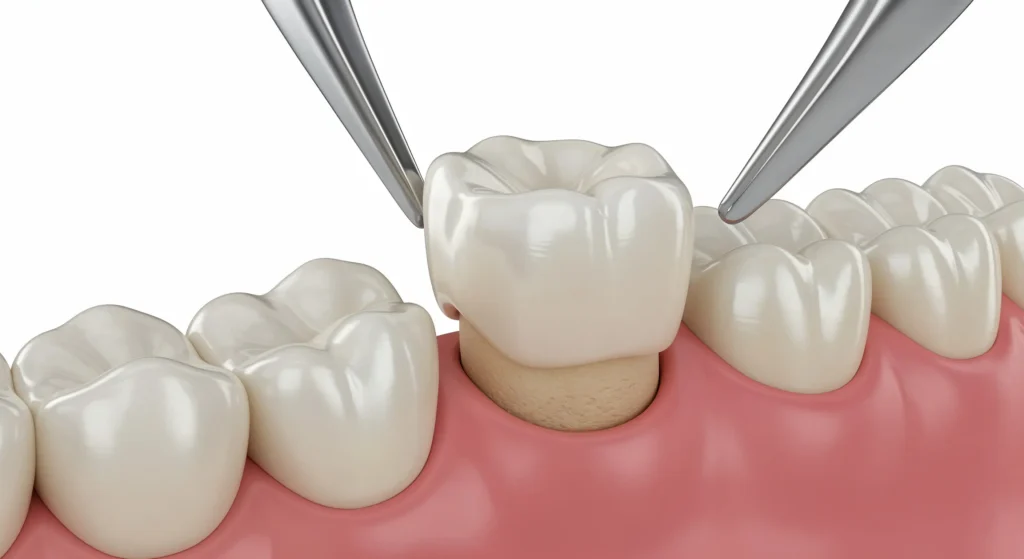
Although preserving natural teeth is the preferred outcome whenever realistic, extractions are a common emergency service. Reasons include severe decay, vertical root fracture, advanced infection, failed restorability, or impacted wisdom tooth complications. When a patient is in acute distress, removing the source of infection or mechanical pain can be the fastest route to relief.
Emergency extraction is not always straightforward. Teeth with curved roots, dense bone, swelling, or active infection may be more difficult to anesthetize and remove. Lower molars can be particularly challenging. That is why a careful dentist discusses whether the extraction can be done safely in-office that day or whether referral to an oral surgeon is the better option.
This is also where expectations matter. The emergency visit may solve the immediate crisis, but it may also open a conversation about replacement, such as an implant, bridge, or removable option. In other words, emergency care often addresses the urgent problem first and the rebuilding plan second.
Repairing lost fillings, broken crowns, and loose restorations
Not every emergency involves infection or trauma. Lost fillings and detached crowns are among the most frequent reasons people call for same-day appointments. These problems can range from inconvenient to genuinely painful. If the exposed tooth is highly sensitive, if the restoration broke because the tooth underneath cracked, or if the crown came off while the underlying tooth has decayed, treatment should not wait long.
An Emergency Dentist may recement a crown if it fits well and the supporting tooth is sound. If the fit is poor or decay has changed the shape of the tooth, a temporary solution may be placed until definitive work can be completed. Broken fillings can sometimes be replaced immediately. In other cases, especially if decay is extensive or the remaining tooth is weak, a temporary restoration is safer until a full crown can be planned.
There is a practical detail many patients miss. A crown that keeps coming off is rarely “just loose.” Repeated loss usually signals an underlying issue such as decay, short tooth preparation, bite stress, or fractured tooth structure. Emergency care can stabilize it, but it should also identify why it failed.
Gum and soft tissue emergencies
Emergency dentists do more than treat teeth. They also manage injuries and infections involving gums, lips, cheeks, tongue, and other soft tissues of the mouth. This might include controlling bleeding, cleaning wounds, evaluating lacerations, and determining whether sutures are needed. If trauma extends beyond the mouth or involves possible jaw fracture, referral is appropriate.
Gum-related emergencies can include painful swelling around partially erupted wisdom teeth, food impaction causing acute inflammation, periodontal abscesses, or severe ulceration that interferes with eating and drinking. Pericoronitis, the inflammation around a partially erupted wisdom tooth, is a classic example. Patients often describe pain at the back of the mouth, bad taste, swelling, and difficulty chewing. The emergency service may involve irrigation, gentle debridement, medication, and a plan for definitive wisdom tooth management.
Help with jaw pain and bite-related emergencies
Some urgent dental visits are not caused by cavities or infection at all. A patient may arrive unable to bite comfortably after recent dental work, or with sudden jaw muscle spasm after nights of heavy clenching. Another may feel that a tooth has “grown taller,” only to learn that inflammation around the root is making normal bite contact feel exaggerated.
Emergency dentists often adjust occlusion, assess for temporomandibular joint involvement, distinguish dental pain from muscular pain, and identify when symptoms point to a non-dental cause. That distinction matters because not all facial pain belongs in a dental chair, but much of it presents there first.
What happens during the visit
The pace of an emergency appointment is usually faster than a routine dental exam, but good care is never careless. Most visits follow a practical sequence:
- A brief history narrows the likely causes and flags any medical concerns.
- An exam and appropriate imaging confirm whether the problem is decay, fracture, infection, trauma, or something else.
- Immediate treatment focuses on stabilization, pain control, and stopping the condition from worsening.
- The dentist explains whether the treatment is definitive or temporary, and what follow-up is needed.
- The patient leaves with clear instructions on eating, cleaning, medication, and warning signs that require urgent review.
That final step is more important than many people realize. A temporary sedative filling, for instance, can feel so much better that patients assume the issue is solved permanently. It may not be. If follow-up is missed, the same tooth can flare again.
Services that support urgent care behind the scenes
Part of what makes an Emergency Dentist effective is not only clinical skill, but logistical readiness. Same-day scheduling, prompt radiography, local anesthesia techniques that work even in inflamed tissue, temporary materials that seal well, and referral pathways for oral surgery or endodontics all shape the quality of the visit.
There is also an emotional side to emergency care. People in severe dental pain are often anxious, embarrassed that they delayed treatment, or worried about cost. Children may be frightened after trauma. Adults can be surprisingly shaken by sudden swelling or a broken front tooth. A calm, efficient team matters. Reassurance is not fluff in these settings. It helps patients cooperate, process instructions, and make sound decisions.
What an emergency dentist may not do on the spot
It is useful to understand the limits of emergency care. The urgent goal is to control the immediate problem, not necessarily to finish every ideal treatment in one sitting. If a front tooth is fractured on a Saturday, the dentist may place a strong temporary repair that restores appearance and comfort, then schedule a more esthetic bonded reconstruction or crown later. If a molar with a large infection needs specialist-level root canal treatment, the emergency visit may involve opening and medicating the tooth first.
There are also times when the safest answer is referral. Deep sedation cases, complex facial fractures, uncontrolled medical issues, and advanced surgical extractions may require a different setting or specialist care. Good emergency dentistry includes knowing when not to force treatment beyond the limits of the case.
When to seek help without waiting
Patients often ask how long they can “watch it.” That depends on the symptom, but certain signs justify prompt contact with an Emergency Dentist:
- swelling of the face, gums, or jaw
- pain that keeps you from sleeping or eating normally
- a knocked-out, broken, or displaced tooth
- bleeding that does not stop with gentle pressure
- pus, foul taste, fever, or difficulty opening the mouth
Even when the issue turns out to be less serious than feared, timely evaluation pays off. Dentistry rewards early action. A small crack can often be stabilized. A shallow cavity can often be restored simply. A localized infection can often be controlled before it spreads.
The bigger purpose of emergency dental care
At its best, emergency dentistry is not a patchwork service for people in distress. It is a protective branch of care that preserves teeth, relieves suffering, and prevents small problems from turning into major ones. The typical Emergency Dentist offers pain diagnosis, trauma management, infection control, root canal access, extractions, restoration repair, soft tissue care, and practical triage when more advanced help is needed.
Most important, emergency treatment buys time in the right way. It does not merely postpone pain. It stabilizes health. When patients understand that distinction, they are much more likely to follow through with definitive care, and that is usually where the best long-term outcomes are found.
Simple Dental Vermont
Address: 8914 S Vermont Ave, Los Angeles, CA 90044
Phone number: +13239493000
FAQ About Emergency Dentist Los Angeles CA
What can the ER do for a tooth?
The emergency room can provide temporary symptom relief for a bad tooth, such as prescribing pain medicine or antibiotics, but it cannot fix the actual dental problem.
What is the 3-3-3 rule for tooth infection?
The 3-3-3 rule for a toothache or infection typically means taking three 200 mg ibuprofen tablets (600 mg total) three times a day for no more than three days to control pain and swelling while waiting to see a dentist.
What do you do if you have a dental emergency but no dentist?
If you have a dental emergency and no regular dentist, you should search for an urgent care dental clinic, call local walk-in dental offices, or go to a hospital emergency room if you have severe bleeding, swelling, or trouble breathing.