What to Ask at Your Invisalign Consultation
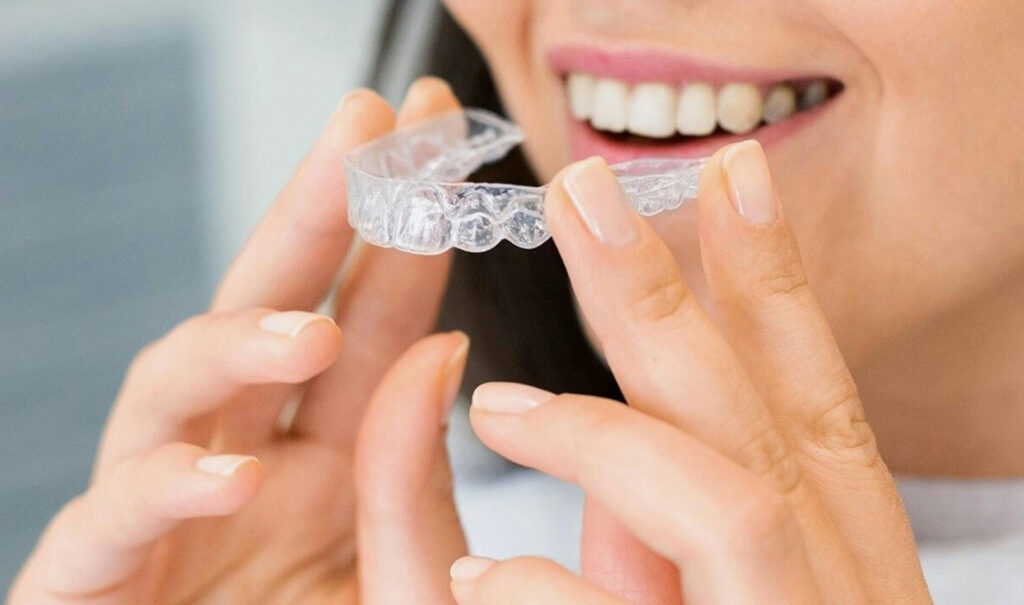

Walking into an Invisalign consultation without questions is a little like test-driving a car without looking under the hood. The aligners may seem simple from the outside, clear trays, gentle pressure, a straighter smile over time, but the planning behind successful treatment is anything but casual. A good consultation should leave you with more than a quote and a scan. It should give you a realistic sense of whether Invisalign fits your bite, your habits, your schedule, and your budget.
I have seen people come away from orthodontic consultations excited by the before-and-after photos, only to realize later that they never asked the questions that actually shape the experience. How long will this take if I travel often? Will attachments show in photos? What happens if my teeth do not track as planned? Those details matter far more than glossy marketing.
The right questions do two jobs at once. They help you understand the treatment, and they help you evaluate the clinician. A skilled provider should welcome thoughtful questions, answer them clearly, and explain trade-offs without defensiveness. If every answer sounds too easy, too fast, or too perfect, that is usually a reason to slow down.
Start with the diagnosis, not the aligners
A consultation should begin with your teeth and bite, not with a sales pitch for a product. Invisalign is a tool. The real issue is the diagnosis behind the treatment plan. Some people need minor alignment changes. Others have crowding, spacing, crossbite, deep bite, open bite, or relapse from earlier orthodontic work. Those distinctions change everything.
Ask your provider what, specifically, is happening with your bite and alignment. If they say your teeth are crowded, ask where the crowding is and how severe it is. If they mention overbite or overjet, ask them to show you what they mean on your scan or photos. A strong consultation often includes a moment where the doctor points to your current bite and explains how it affects function, wear, gum health, or appearance. That explanation should be concrete. You should not have to guess why treatment is being recommended.
It is also worth asking whether Invisalign is the best option for your case, or simply one option. There are cases where clear aligners work beautifully, especially for mild to moderate crowding, spacing, and many relapse cases. There are also cases where braces may offer more control, especially with significant rotations, vertical movement, complex bite correction, or teeth that need strong root movement. An honest provider will tell you where Invisalign is strong, where it has limits, and whether your case pushes those limits.
If you sense hesitation, ask directly: “If I were your family member, would you recommend Invisalign for this case?” That question tends to cut through the sales language quickly.
Ask how the treatment plan will actually work
Once you understand the diagnosis, move to the mechanics. Not every Invisalign plan is built the same way. Two providers can look at the same mouth and propose different approaches based on experience, philosophy, and goals.
Ask what movements are planned first and why. Many people do not realize orthodontic treatment has sequencing. A clinician may create space before aligning front teeth, widen the arches slightly before addressing crowding, or intrude certain teeth before correcting the bite. You do not need a textbook lecture, but you should hear enough to understand that there is a method behind the sequence.
You should also ask whether any additional procedures might be needed. These can include interproximal reduction, often called IPR, which is the careful polishing of tiny amounts of enamel between teeth to create space, or the use of attachments, those small tooth-colored bumps that help the aligners grip and move teeth more predictably. Some cases may also require elastics, refinement trays, or retainers designed for long-term bite stability.
Patients often fixate on whether attachments will be noticeable. That is fair. In practice, the visibility depends on the size and location. Attachments on upper front teeth tend to be more noticeable than those on premolars or lower teeth. On the other hand, attachments often make the difference between a plan that works predictably and one that drifts off course. This is exactly the kind of trade-off you want your provider to explain.
A few practical questions can reveal a lot:
- What movements in my case are straightforward, and which ones are more unpredictable?
- Will I need attachments, IPR, elastics, or refinements?
- How often do cases like mine require mid-course changes?
- What would make you switch from Invisalign to braces, if anything?
- What does success look like beyond straighter front teeth?
That last question matters more than people expect. Some providers define success cosmetically. Others prioritize bite function and long-term stability. Ideally, you want both, but if a compromise is likely, you should know early.
Get honest about treatment time
The most common question at an Invisalign consultation is, “How long will this take?” It is a reasonable question, but the answer should come with context. A timeline without assumptions is not a real timeline.
If you are told six months, ask what has to go right for six months to be realistic. Does that estimate assume you wear aligners 20 to 22 hours a day? Does it include refinements? How often do patients with your type of case finish on the original set of trays alone? In everyday practice, many Invisalign cases take longer than the first estimate once refinements are added. That does not mean anything went wrong. It often means the clinician is making the final adjustments that turn “pretty good” into “finished.”
The better question is not just “How long?” but “What usually extends treatment?” The answers are often surprisingly mundane. Missed wear time, poor fit, lost trays, delayed appointments, travel, stubborn rotations, late tray changes, or teeth that do not track exactly as predicted can all add weeks or months.
It helps to ask how frequently you will need check-ins. Some offices prefer visits every six to eight weeks. Others use remote monitoring and bring you in less often. Neither approach is automatically better. The right fit depends on how complex your case is and how comfortable you are following instructions closely at home.
If you have a wedding, graduation, job change, or major travel coming up, bring it up. Timing matters. A good provider can tell you whether you will likely still have attachments at that point, whether whitening should wait until the end, and whether the result will be polished enough for photos by then.
Make sure the cost conversation is complete
People usually ask, “How much does Invisalign cost?” They should also ask, “What exactly does that fee include?” Those are not the same question.
A comprehensive fee may include the initial records, digital scans, all aligners in the first series, routine visits, refinements, retainers, and post-treatment review. In other offices, refinements, replacement trays, retainers, or extended treatment can increase the total. You want those details before you start, not when you are already committed.
Ask whether your quote is all-inclusive and whether there is a time limit attached to it. Some practices cover refinements for a set period, such as one or two years from the start of treatment. Others define the fee by a treatment package rather than by time. Neither model is inherently unfair, but hidden boundaries can be frustrating if they are not explained up front.
If you have insurance, ask the office to walk you through the orthodontic benefit in plain language. Insurance for adult orthodontics is often limited, sometimes absent, and sometimes capped at a lifetime maximum. What matters is not just whether Invisalign is “covered,” but how much the plan actually pays and when it pays it.
Monthly payment options are common, but do not stop at the monthly number. Ask about the down payment, total financed amount, interest or administrative fees, and what happens if you move, pause treatment, or decide to transfer care. Those scenarios are not rare. Life gets busy, relocations happen, pregnancies happen, jobs change. Clear terms reduce future friction.
Ask about the provider’s experience with Invisalign, not just orthodontics in general
Experience matters with any orthodontic appliance, but it matters in a specific way with clear aligners. Invisalign treatment planning relies heavily on case design, staging, and knowing where digital predictions match real biology and where they do not. A provider with strong aligner experience often anticipates tracking issues before they become major delays.
You do not need to interrogate anyone, but you should ask how often they treat cases like yours with Invisalign. If your case involves a deep bite, posterior open bite risk, relapse after braces, or significant crowding, ask how they typically manage those patterns. Look for answers that sound practiced rather than vague.
You can also ask who will oversee your treatment. In some offices, the doctor leads every check-in. In others, much of the process is delegated to staff, with the doctor stepping in at certain milestones. There is nothing wrong with a team-based model, but you should know who is watching the details. Orthodontics is full of small course corrections. Tiny fit issues spotted early are easier to fix than larger problems discovered months later.
One useful question is whether the doctor can show you examples of cases similar to yours. Similar is the key word. Perfectly polished mild spacing cases do not tell you much if you have moderate crowding and bite correction needs.
Talk about wear habits before treatment begins
Invisalign works well for people who will actually wear it. That sounds obvious, but this is where many plans either succeed quietly or stall for months. Adults with busy schedules sometimes assume compliance will be easy because they are motivated. Then work lunches, coffee habits, social events, and travel chip away at wear time.
Ask your provider what daily life with Invisalign typically looks like. How long can the aligners be out at meals? What happens if you forget and leave them out for three hours? Is it better to move to the next tray at night? https://medium.com/@omnidentalspecialty/about Should you brush every time before reinserting, or is rinsing sometimes acceptable in a pinch? The practical advice is often more valuable than the polished brochure explanation.
If you drink coffee slowly over an hour every morning, say that out loud. If you snack often, say that too. If you grind your teeth at night, mention it. Habits shape the plan. Some patients do well switching trays every seven days, others are better candidates for 10- or 14-day changes. The difference may depend less on the software and more on how consistently they wear the trays.
People who had braces as teenagers and are now considering Invisalign for relapse often underestimate this adjustment. Fixed braces work around your forgetfulness. Removable aligners do not. That does not make them worse, just different.
Ask what can go wrong, and how the office handles it
A consultation should include some discussion of problems, not because treatment is unsafe, but because predictability improves when everyone knows what to watch for.
Ask what signs suggest a tray is not fitting correctly. Usually, the clues are small gaps between the aligner and the biting edge of the tooth, a tray that suddenly feels very loose in one area, or a tooth that seems to stop moving while the rest continue. Ask when you should call if that happens. Some offices want photos the same day. Others will have you wear the tray longer before deciding.
Also ask how lost or cracked trays are handled. This comes up more often than you would think, especially with travel, pets, napkins at restaurants, and the classic mistake of leaving aligners on a tray table during lunch. The office should have a clear protocol, whether that means moving forward, going back to the previous tray, or ordering a replacement.
Refinements deserve special attention. Patients often assume refinements mean failure. They do not. They are common, and in many cases expected. Teeth are attached to bone and ligament, not animation software. Real biology has some variation. What you want to know is how the office decides when refinements are needed and whether they are included in your fee.
Here are the issues worth discussing before you commit:
- What should I do if a tray feels wrong, cracks, or gets lost?
- How do you decide whether my teeth are tracking properly?
- How common are refinements in cases like mine?
- If treatment stalls, what are the next options?
- What happens if I move away during treatment?
That last point gets overlooked, but it matters. Transferring orthodontic care can be straightforward in some systems and cumbersome in others. If there is even a chance you may relocate, ask how records, remaining trays, and financial arrangements are handled.
Appearance matters, and so does comfort
Most adults choose Invisalign because they want a discreet option. It is smart to ask exactly how discreet it will be in your case. The trays themselves are subtle, but attachments, elastics, and bite ramps can make treatment more visible. If you are in client-facing work, public speaking, or frequent video meetings, ask what people usually notice and what they typically do not.
Speech changes are another fair topic. Some patients develop a slight lisp for a few days, especially with upper aligners or bite ramps. For most, it fades quickly as the tongue adapts. If your job depends on clear speech, think trial-period rather than perfection. It is better to expect a brief adjustment than to feel blindsided by it.
Comfort should be framed realistically. Invisalign is usually more comfortable than braces in terms of soft tissue irritation, but “more comfortable” does not mean “comfortable all the time.” New trays often create pressure for a day or two. Attachments can feel rough at first. Removing tight trays can be awkward early on. A provider who downplays all discomfort is not doing you a favor. Mild soreness is normal. Severe or persistent pain is not, and you should know the difference.
If you have crowns, veneers, implants, or gum recession, bring them up. Restorations and periodontal history can affect treatment options. Teeth with veneers may need extra caution with attachments. Implants do not move, which can influence how surrounding teeth are aligned. Gum health must be stable before orthodontic movement begins. These are not reasons to avoid Invisalign, but they are reasons to plan carefully.
Retainers are part of the conversation, not an afterthought
A consultation is not complete until retention is discussed. Straightening teeth is only half the job. Keeping them straight is the long game.
Ask what type of retainer the office recommends after Invisalign and how often it should be worn. Some patients need nighttime wear indefinitely. That may sound burdensome, but compared with retreatment, it is a small commitment. Teeth have memory, especially if crowding existed before or if lower front teeth were tightly packed.
You should also ask whether a fixed retainer, a bonded wire behind the teeth, is appropriate in your case, or whether removable retainers alone are preferred. Fixed retainers can be useful, especially for lower front teeth, but they require diligent hygiene and monitoring. Removable retainers are simpler in some ways, but only if you actually wear them.
Do not leave the consultation without understanding whether retainers are included in the treatment fee, how many sets you receive, and what replacement costs look like. Retainers wear out, crack, and disappear. Planning for that reality is part of responsible orthodontic care.
The quality of the answers tells you as much as the answers themselves
By the end of a strong Invisalign consultation, you should feel informed, not rushed. You should understand your diagnosis, your options, the expected timeline, likely limitations, costs, retention, and what the office does when things do not go exactly to plan. That is the baseline.
Just as important, you should notice how the provider communicates. Do they explain clearly without jargon? Do they show you your bite and not just a sales simulation? Do they make room for your priorities, whether those are shorter treatment time, minimal visibility, or long-term bite stability? Do they acknowledge uncertainty where it exists?
Orthodontics is not guesswork, but it is not magic either. The best consultations strike that balance well. They are confident without being slick. Detailed without being overwhelming. Honest about the fact that a digital plan is a guide, not a guarantee.
If you leave with only one idea, let it be this: the consultation is not a performance you sit through. It is your chance to pressure-test the plan and the person behind it. Ask the questions that reveal how your treatment will unfold in real life, not just how it looks on a screen. That is how you choose Invisalign well.
Omni Dental Specialty
Address: 1690 E Gonzales Rd, Oxnard, CA 93036
Phone number: +18053666000
FAQ About Invisalign
How much does Invisalign actually cost?
The out-of-pocket cost for Invisalign typically ranges between $3,000 and $8,000, with most patients paying a national average of roughly $5,100 to $5,700 before insurance.
What is the downside to Invisalign?
The biggest downsides to Invisalign are the intense discipline required to wear the trays 22 hours a day, the inconvenience of removing them to eat or drink, and the inability to fix severe, complex orthodontic issues.
Is $5000 a lot for Invisalign?
No, $5,000 is not considered a lot for Invisalign; it is exactly the national average. Treatment costs typically fall between $3,000 and $8,000, and $5,000 is the standard fee for a moderately complex case that takes 6 to 18 months to complete.