Why Fast Dental Emergency Plano TX Treatment Matters
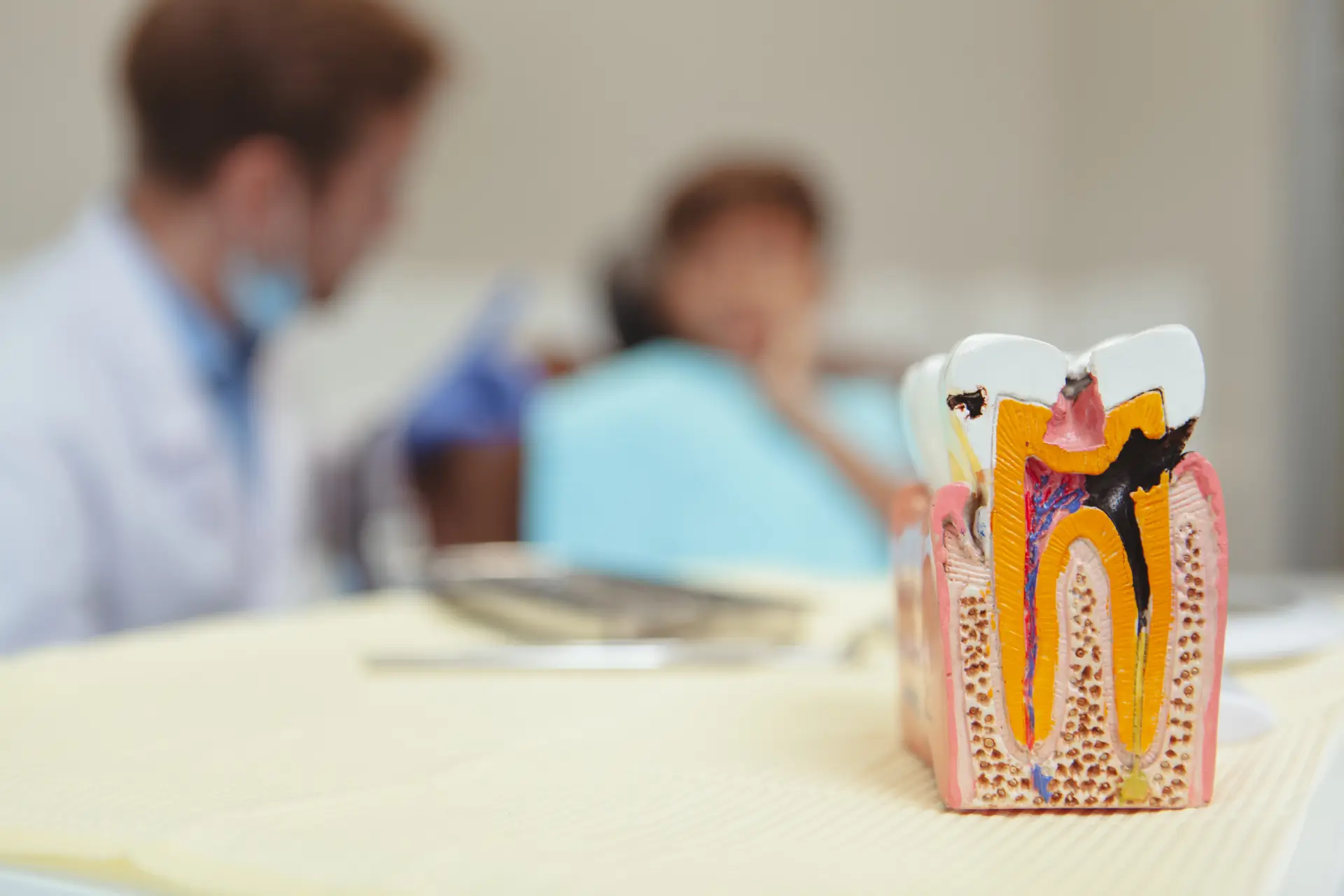
A dental emergency has a way of cutting through the noise of an ordinary day. One minute you are answering emails, driving down Preston Road, or getting the kids ready for school. The next, a sharp crack runs through a tooth, a crown comes loose, or swelling builds so quickly that talking feels awkward. In those moments, speed matters. Not because every dental problem is life threatening, but because many urgent dental issues get worse by the hour, not by the week.
That is especially true when people try to tough it out. I have seen patients wait through a weekend because they hoped the pain would settle down, only to arrive with a small problem that had grown into a bigger infection, a more complicated fracture, or a tooth that could no longer be saved. Fast care often means the difference between a simpler fix and a more invasive one. It can also mean the difference between a manageable bill and a much larger treatment plan later.
For anyone searching for Dental Emergency Plano TX care, the real question is not just where to go. It is why acting quickly can protect your health, your comfort, and your long term dental outcome.
What actually counts as a dental emergency
Not every dental problem needs same day treatment, but more issues qualify as urgent than many people realize. Severe tooth pain is an obvious one. So is facial swelling, a knocked out tooth, uncontrolled bleeding, a broken tooth with exposed inner layers, or a lost restoration https://wakelet.com/@vitalitydental1 that leaves a nerve vulnerable. A cracked tooth might look minor in the mirror and still be serious beneath the surface. A gum abscess may seem like a bump that can wait, yet it can signal infection spreading beyond the tooth itself.
Timing matters because teeth and surrounding tissues do not heal the same way a scraped knee does. Enamel does not grow back. A damaged nerve does not simply calm down because you distracted yourself for a few days. An infection in the mouth may fluctuate, which tricks people into thinking it is resolving, but the underlying source often remains active.
There is also the matter of function. If you cannot chew, sleep, speak comfortably, or close your mouth normally, the problem has already crossed into urgent territory. Even if the pain is not unbearable, the condition is affecting daily life and deserves prompt attention.
The hidden cost of waiting
People often assume delay only affects pain levels. Pain is part of it, but the larger consequences are structural and biological.
Take a cracked molar. Early on, a dentist may be able to stabilize the tooth with a crown if the fracture has not reached too far into the tooth or below the gumline. Wait a few days while chewing on that side, and the crack can deepen. Now the tooth may need root canal treatment as well, or extraction if the split becomes nonrestorable.
The same pattern shows up with infections. A tooth abscess can begin as localized pain or tenderness. If the infection remains trapped and untreated, pressure builds. Swelling develops. The immune system responds, but the source stays in place. By the time some patients seek help, they are no longer dealing with one sore tooth. They are dealing with swollen gums, difficulty sleeping, facial tenderness, and a body already under strain.
There is a financial angle, too. Early treatment is often more conservative. Recementing a crown, smoothing a minor chip, or treating a small area of trauma can be straightforward. Restoring a badly fractured tooth, replacing a lost tooth, or treating a widespread infection is more involved and usually more expensive.
Fast treatment matters because it preserves options. The sooner a dentist can examine the tooth, take images if needed, and control the immediate problem, the more likely it is that the solution remains simpler.
Plano families often face one practical problem: busy schedules
In a place like Plano, dental emergencies rarely happen when people have free time. They happen before a school drop off, on the way to practice, during a workday, or on a Friday evening when offices are closing. Parents have to decide whether a child’s chipped front tooth can wait. Adults wonder whether they can push through one more meeting with throbbing jaw pain. Athletes take an elbow during a game and assume a loose tooth might tighten on its own.
This is one reason local access to prompt care matters so much. A good emergency dental office understands that urgency is not just clinical. It is logistical. The ability to get someone assessed quickly can prevent hours of uncertainty and poor decisions made out of convenience.
I have noticed that many patients delay because they are trying to judge severity from symptoms alone. That is difficult to do from home. A tooth can look intact and still have a deep fracture. Swelling may be mild in the morning and much worse by evening. Numbness can wear off after an accident and reveal a more serious injury underneath. In those cases, fast evaluation is not overreacting. It is sound judgment.
Some emergencies are time sensitive in a very literal way
A knocked out permanent tooth is the clearest example. Minutes matter. The chance of saving the tooth is highest when it is handled properly and reimplanted quickly. Even a short delay reduces the odds of a good long term result.
A dislodged tooth, where the tooth has shifted but not fully come out, also needs prompt stabilization. The surrounding ligament and bone are sensitive to trauma. The longer the tooth remains out of position, the harder it can be to preserve normal support.
There are quieter time sensitive cases too. When a filling or crown comes off and leaves a vulnerable tooth exposed, bacteria, temperature changes, and chewing forces can start doing damage immediately. A severe cavity that suddenly becomes painful may be telling you the nerve is inflamed or infected. At that stage, every day can change the treatment path.
This is one reason searches for Dental Emergency Plano TX spike after accidents, late night pain, and weekend breakages. People sense, correctly, that waiting may close a treatment window.
Pain is not always a reliable guide
One of the biggest mistakes patients make is assuming the worst problems always hurt the most. They do not.
A dead tooth may stop hurting for a period even while infection grows at the root. A cracked tooth can be painless until pressure hits it in just the wrong direction. Gum swelling may feel more strange than painful. Trauma to a front tooth can initially be overshadowed by a lip injury or the shock of the accident itself.
On the other side, some extremely painful issues are treatable more quickly than patients fear. A temporary exposed nerve, a high bite after recent dental work, or a dislodged crown can create intense discomfort but may be addressed efficiently if seen soon.
The smarter approach is to focus less on pain intensity and more on what changed. Did a tooth break? Did swelling appear? Is there bleeding that does not stop? Is the bite suddenly off? Did trauma occur? Has hot or cold sensitivity become sharp and lingering? Those changes are often more useful than trying to grade pain on a scale.
Infection is where delay becomes especially risky
Dental infections deserve respect. Most remain localized when treated promptly, but the mouth is not isolated from the rest of the body. Teeth sit in bone. Gums have a rich blood supply. Spaces in the face and jaw can allow swelling to spread.
A classic scenario is the patient who notices intermittent toothache for a week or two, then wakes up with a puffy cheek. They rinse with salt water, take over the counter pain medication, and try to get through the day. By nighttime, the pressure feels worse, their appetite is gone, and sleep becomes difficult. At that point, treatment is not simply about pain relief. It is about draining infection where appropriate, treating the source tooth, and watching for signs that demand even higher level medical care.
Red flags include fever, rapidly increasing swelling, trouble swallowing, and difficulty breathing. Those symptoms move beyond ordinary dental urgency and may require immediate medical attention. A responsible dental team will tell you that plainly.
The key point is simple: infections rarely improve because you ignored them. They improve when the cause is treated.
Trauma cases are often more complex than they look
A chipped front tooth is the kind of injury people can underestimate, especially if the fragment is small. Yet trauma does not only affect the visible edge. The pulp, root, ligament, and surrounding bone can all be involved. A sports impact, fall, or car accident may bruise or loosen teeth that look normal at first glance.
Children and teens add another layer of complexity because their teeth and roots may still be developing. Fast assessment helps determine whether a tooth can be monitored, splinted, repaired cosmetically, or treated more aggressively. Delay can allow movement, infection, or pulpal damage to progress unnoticed.
Adults are not exempt. I have seen a person shrug off a minor stumble because the only obvious damage was a slightly rough incisor. Two days later, they returned because the tooth darkened and became sensitive. The initial chip had been the least important part of the injury.
This is where experienced emergency evaluation matters. It is not just about fixing what you can see. It is about identifying what the accident may have destabilized.
What a good emergency response looks like at home
When a dental problem happens, the first few steps can make a real difference before you reach the office.
- If a permanent tooth is knocked out, handle it by the crown, not the root, and try to keep it moist in milk or saliva.
- If there is swelling, use a cold compress on the outside of the face in short intervals.
- If a crown or filling comes off, keep the piece if you can and avoid chewing on that side.
- If a tooth breaks, rinse gently with water and save any large fragments.
- If bleeding continues after pressure, or swelling affects breathing or swallowing, seek urgent medical help immediately.
That short window before treatment is not the time for home experiments. People sometimes place aspirin directly on gums, use unapproved adhesives, or keep chewing on a damaged tooth to “see if it holds.” Those choices tend to make things worse.
Fast treatment is also about diagnosis, not just relief
One reason people sometimes hesitate is the fear that an emergency visit will lead straight to major treatment. In reality, urgent appointments are often focused first on diagnosis and stabilization. A dentist needs to identify whether the pain is coming from decay, fracture, bite trauma, infection, sinus pressure, gum disease, or something less obvious. Several conditions mimic each other.
For example, severe pain when biting can point to a cracked tooth, but it can also result from a high filling, a localized gum infection, or inflammation around the root. Cold sensitivity can mean exposed dentin, a failing restoration, or reversible pulp irritation. Swelling near the gumline might be a dental abscess, but it could also involve periodontal disease.
The value of quick evaluation is that it narrows uncertainty fast. Once the source is identified, the dentist can often provide immediate measures to control pain, reduce infection risk, protect the tooth, or plan the next step. Sometimes that means definitive care the same day. Sometimes it means temporary stabilization followed by a scheduled procedure. Both are far better than guessing at home.
Preserving natural teeth usually depends on timing
Most dentists would prefer to save a natural tooth whenever it is realistic and healthy to do so. Patients usually feel the same once they understand the alternatives. But preservation often depends on how early the problem is caught.
A loose crown placed back before decay spreads under it may save the underlying tooth with minimal intervention. A painful tooth treated before the crack extends may avoid extraction. A dislodged tooth repositioned quickly after trauma has a much better outlook than one left mobile for days. Even root canal cases tend to have a smoother course when addressed before infection or fracture gets out of hand.
This is where prompt Dental Emergency Plano TX care becomes more than convenience. It protects long term function. Every natural tooth that can be maintained, restored, and kept comfortable helps preserve bite balance, chewing efficiency, and future treatment simplicity.
Once a tooth is lost, replacement options such as implants, bridges, or partials can work very well, but they require time, money, healing, and planning. Saving the original tooth when possible is usually the cleaner path.
Children, older adults, and medically complex patients have different risks
Dental emergencies do not play out the same way in every patient.
Children can deteriorate from discomfort faster than adults because pain disrupts eating, hydration, sleep, and mood. A child with facial swelling may not explain symptoms clearly, and dental trauma in developing teeth needs careful follow up.
Older adults may have crowns, bridges, root canal treated teeth, gum recession, dry mouth, or medications that complicate healing. What seems like a simple broken tooth can involve an old restoration failing after years of wear.
Patients with diabetes, immune compromise, heart conditions, or certain medications need prompt evaluation because infection control and healing can be more complicated. For them, waiting is not just uncomfortable. It can be clinically riskier.
Pregnant patients also deserve timely dental attention when emergencies arise. Untreated infection and severe pain are not harmless just because someone is trying to avoid treatment. A good dental team coordinates care thoughtfully and treats urgent issues with appropriate precautions.
Access to urgent dental care reduces panic
There is a psychological side to emergencies that people underestimate. Dental pain creates a special kind of anxiety because it is intimate, hard to ignore, and often hard to self manage. A throbbing tooth can make a calm person irritable and exhausted within hours. When someone does not know whether the problem is serious, the uncertainty adds another layer.
Fast access to care changes that dynamic. Even before definitive treatment is completed, patients usually feel relief once a professional has examined the problem, explained what is happening, and outlined the next step. Certainty itself is therapeutic.
I have seen people walk into emergency appointments worried that they were facing immediate tooth loss, only to learn the tooth was restorable. I have also seen the opposite, where a patient hoped for a quick fix but needed to hear plainly that delay had narrowed the options. Both conversations are easier and more useful when they happen early.
Why local availability matters in a real emergency
When pain is sharp or swelling is visible, distance suddenly feels longer. A nearby office familiar with urgent dental cases offers practical advantages. It shortens the time between onset and assessment. It reduces the temptation to postpone care because the drive seems inconvenient. It also helps when follow up is needed over the next several days.
For Plano residents, local emergency dentistry means treatment can fit into real life more easily. Parents can still manage school pickups. Professionals can step out for care without losing an entire day. Older adults can rely less on long transportation arrangements. Convenience is not a luxury in these situations. It directly affects whether people seek care soon enough.
The phrase Dental Emergency Plano TX may sound like a search term typed in stress, but behind it is a straightforward need: qualified help, nearby, before a manageable problem becomes a harder one.
The goal is not just to stop pain today
When emergency treatment is done well, it serves two purposes at once. It addresses the immediate crisis, and it protects what comes next. That might mean preserving a tooth for a final crown, controlling infection before root canal treatment, stabilizing trauma so a front tooth heals properly, or simply preventing a small fracture from turning into a loss.
Fast treatment matters because mouths do not pause while you think it over. Bacteria keep moving. Cracks keep flexing under pressure. Swelling keeps building. Sleep gets worse. Appetite changes. Concentration fades. The problem starts in one tooth and then spills into the rest of life.
That is why timely response is not alarmist. It is practical. If you are dealing with severe pain, swelling, trauma, a broken tooth, or a lost restoration that changed how your mouth feels or functions, getting seen quickly is usually the smartest move. In many cases, speed is what preserves comfort, lowers cost, and gives the dentist the best chance to save the tooth rather than simply react to the damage later.
Vitality Dental
Address: 1220 Coit Rd #106, Plano, TX 75075
Phone number: +19726454100
FAQ About Dental Emergency Plano TX
What can the ER do for a tooth?
An emergency room (ER) can manage pain and treat severe infections with medication, but it cannot fix or pull a tooth.
What is considered a dental emergency?
A dental emergency is any oral health problem that involves severe pain, uncontrollable bleeding, or an infection that threatens your health or requires immediate care to save a tooth.
Is there a 24-hour dental service in Plano, TX?
There is no physical dental clinic in Plano, Texas, that stays open with walk-in staff 24 hours a day, but several offices offer 24/7 phone support, late-night hours, or same-day emergency care.